


Manchester United 2026/27 Season Preview
Manchester United head into the 2026/27 Premier League season with renewed optimism after a dramatic turnaround under Michael Carrick in the second half of the previous campaign. Appointed in January, Carrick guided United to a third-place finish and secured their return to the Champions League before being confirmed as permanent head coach. The new season gives him the opportunity to build on that momentum and establish a more consistent United side.
The challenge, however, will be significantly greater. United’s run-in last season came without the demands of European football or the FA Cup and EFL Cup, allowing the squad to focus heavily on the Premier League. In 2026/27, Champions League football returns to Old Trafford alongside a full domestic schedule, testing the depth and consistency of Carrick’s squad.
With new signings strengthening the team and some of the biggest fixtures in the Premier League awaiting at Old Trafford, expectations will be higher. Can Carrick turn last season’s revival into sustained progress and push Manchester United closer to the top of the Premier League?
Manchester United’s Turnaround Under Michael Carrick
When Michael Carrick took charge of Manchester United in January, the club’s season appeared to be heading towards another period of disappointment. United had struggled for consistency and were well short of the standards expected at Old Trafford, with the decision to replace Ruben Amorim representing another significant change in the dugout.
Few, however, could have predicted the turnaround that followed.
Carrick quickly brought greater consistency to United’s performances and results, helping the club climb the Premier League table during the second half of the campaign. From the point he took charge, United produced the strongest Premier League record in the division, ultimately finishing third and securing a return to the Champions League.
The improvement was not simply about results. United looked more confident and cohesive as the season progressed, giving supporters renewed optimism after a difficult campaign. Carrick’s ability to get more from the existing squad also strengthened his case for being given the job on a permanent basis.
There was, however, an important factor behind United’s impressive run. By the time Carrick took charge, the club had already exited the FA Cup, EFL Cup and European competition. That meant United could concentrate almost entirely on the Premier League, with a relatively clear schedule allowing Carrick more time to prepare his team and maintain consistency.
That advantage disappears in 2026/27. Champions League football returns to Old Trafford, while United will also compete across the domestic competitions. Carrick will therefore face a very different test this season: maintaining the standards of his successful second half of 2025/26 while managing a significantly more demanding fixture schedule.
For Manchester United, the 2026/27 campaign will show whether last season’s revival was the beginning of a genuine resurgence or simply a short-term improvement.
Carrick’s Manchester United: What Has Changed?
One of the most noticeable changes since Michael Carrick took charge has been the way Manchester United approach games. Rather than operating within the rigid structure that had characterised Ruben Amorim’s system, Carrick has given his players greater freedom to adapt during matches and make better use of the attacking quality within the squad.
Bruno Fernandes has been central to that change. With the United captain operating in more advanced areas, the team has been able to get him closer to the forwards and into positions where he can influence games. His creativity, movement and ability to contribute goals have made him one of the most important players in Carrick’s system.
Kobbie Mainoo has also played an important role in providing balance in midfield. His ability to carry the ball and progress possession gives United another option through the centre of the pitch, while allowing Fernandes greater freedom to move forward and contribute in the final third.
The changes have not been purely tactical. United appeared more confident and willing to take responsibility in possession under Carrick, with greater freedom allowing the team to play with more attacking intent. That shift in mentality was an important part of the improvement during the second half of the 2025/26 campaign.
The squad has also evolved during the summer. With changes in midfield and new arrivals including Andrey Santos and Youri Tielemans, Carrick has more options available to him as United prepare for a season that will include Champions League football. The additional competition should give the manager greater flexibility, although squad depth will remain important given the number of fixtures United could face.
That is ultimately the biggest test facing Carrick in 2026/27. The improvement under his management was clear, but reproducing that level across an entire season while competing in the Premier League, Champions League and domestic competitions will require greater consistency and depth. If Carrick can maintain the tactical flexibility and confidence United showed during his first months in charge, the foundations are there for another significant step forward.
What Does the Champions League Mean for Manchester United?
Manchester United’s return to the Champions League represents an important step forward for the club after a difficult period domestically and in Europe. Finishing third in the Premier League in 2025/26 secured United a place in the competition and gives Michael Carrick the opportunity to test his team against some of the best clubs in European football.
For supporters, the return means the prospect of more major nights at Old Trafford. United will face high-profile European opposition during the league phase, bringing some of the biggest names in club football back to Manchester. The Champions League league phase draw takes place on Thursday 27 August 2026, when United will discover their European opponents for the 2026/27 campaign. Once the fixtures are confirmed, individual Champions League matches will provide another opportunity for supporters to experience European football at Old Trafford.
The competition also brings significant benefits for the club. Champions League football can strengthen Manchester United’s profile across Europe, provide additional commercial opportunities and help attract and retain players who want to compete at the highest level.
For Carrick, however, the Champions League represents more than just an opportunity. It will provide a measure of how far United have progressed under his management. Competing with Europe’s leading sides while maintaining strong Premier League form will require the squad to demonstrate greater depth, consistency and adaptability than it needed during Carrick’s initial run in charge.
The Champions League therefore adds another layer of excitement to the 2026/27 campaign. After securing a return to Europe’s premier club competition, Manchester United now have the opportunity to show that last season’s revival can translate into success on a much bigger stage.
Manchester United’s Key Players
Manchester United have plenty of high-profile names in their squad, but several players could have a particularly important role in determining whether Carrick’s side can build on last season’s success.
Bruno Fernandes
Bruno Fernandes remains one of the most influential players in the Manchester United squad. His more advanced role under Michael Carrick allowed him to operate closer to the forwards and make greater use of his creativity in the final third.
As captain, Fernandes will also be central to maintaining United’s standards across a demanding season. With Premier League, Champions League and domestic fixtures to contend with, his leadership and ability to produce decisive moments could prove crucial.
Benjamin Šeško
Benjamin Šeško will be one of the most closely watched players at Old Trafford this season. The Slovenian striker gives United a focal point in attack, with his pace, physical presence and finishing ability adding a different dimension to Carrick’s forward options.
The pressure will inevitably be high on Šeško to provide goals. If he can produce consistently across a full Premier League campaign, he could become one of the most important recent additions to United’s squad.
Andrey Santos
With Casemiro leaving at the end of last season, Andrey Santos may be a key addition to United’s midfield. Santos provides Carrick with another option in midfield as United prepare for a season with a significantly heavier fixture schedule. His ability to compete for a starting place and provide rotation will be particularly valuable with Champions League football returning.
The 2026/27 campaign will also give Santos the opportunity to establish himself at one of the biggest clubs in English football and adapt to the demands of Premier League and European competition.
Kobbie Mainoo
Kobbie Mainoo could play an increasingly important role in Carrick’s Manchester United. His ability to carry the ball through midfield and progress possession provides a valuable balance alongside more attacking players.
Having already demonstrated his quality at the highest level, Mainoo will be looking to establish himself as a regular starter and become an important part of United’s midfield for years to come.
Harry Maguire
Harry Maguire’s experience could be particularly valuable as United return to the Champions League. His leadership, aerial ability and experience of high-pressure matches give Carrick an established option at the heart of the defence.
With United facing a much more demanding schedule, maintaining defensive consistency will be essential. Maguire’s experience could therefore prove important both on the pitch and within a squad containing several younger players.
Manchester United’s Biggest Fixtures
Every Manchester United season is defined by its biggest occasions, and 2026/27 will be no different. From historic rivalries in the Premier League to the return of Champions League football, United will face a number of fixtures that could have a major impact on their season. These matches will provide the biggest tests of Carrick’s side and some of the most anticipated moments of the campaign.
What Would a Successful Season Look Like?
For Manchester United, simply qualifying for the Champions League again should no longer be considered the ultimate measure of success. After finishing third last season and producing the Premier League’s strongest form following Carrick’s arrival, expectations have naturally risen.
At a minimum, Champions League qualification should be the target. United need to demonstrate that last season’s turnaround was the beginning of sustained progress rather than a short-term improvement.
A successful campaign would go further, with United consistently competing with the Premier League’s leading sides while making a meaningful impact in the Champions League. Progress in Europe would be particularly important as the club returns to the competition after an absence.
An outstanding season, however, would see United challenge for the Premier League title and/or make a deep run in the Champions League. That may still be a significant step, but Carrick’s remarkable turnaround has changed the expectations around the club.
Third place was an excellent achievement last season. In 2026/27, it should be viewed as a platform to build from, rather than the destination.
Final Thoughts
Manchester United enter the 2026/27 season in a very different position to the one they occupied just twelve months ago. Carrick’s arrival has restored belief, Champions League football is back and the squad has been reshaped for a more demanding campaign.
The challenge now is perhaps the biggest of all: proving that last season’s remarkable turnaround was the beginning of a new era rather than simply a spectacular short-term revival. With greater expectations, tougher competition and a return to European football, 2026/27 will provide the clearest indication yet of just how far Carrick can take Manchester United.
How does United’s season stack up against the rest of the field? Check out our full Premier League preview >
Old Trafford Hospitality Packages
Experience Old Trafford in Style
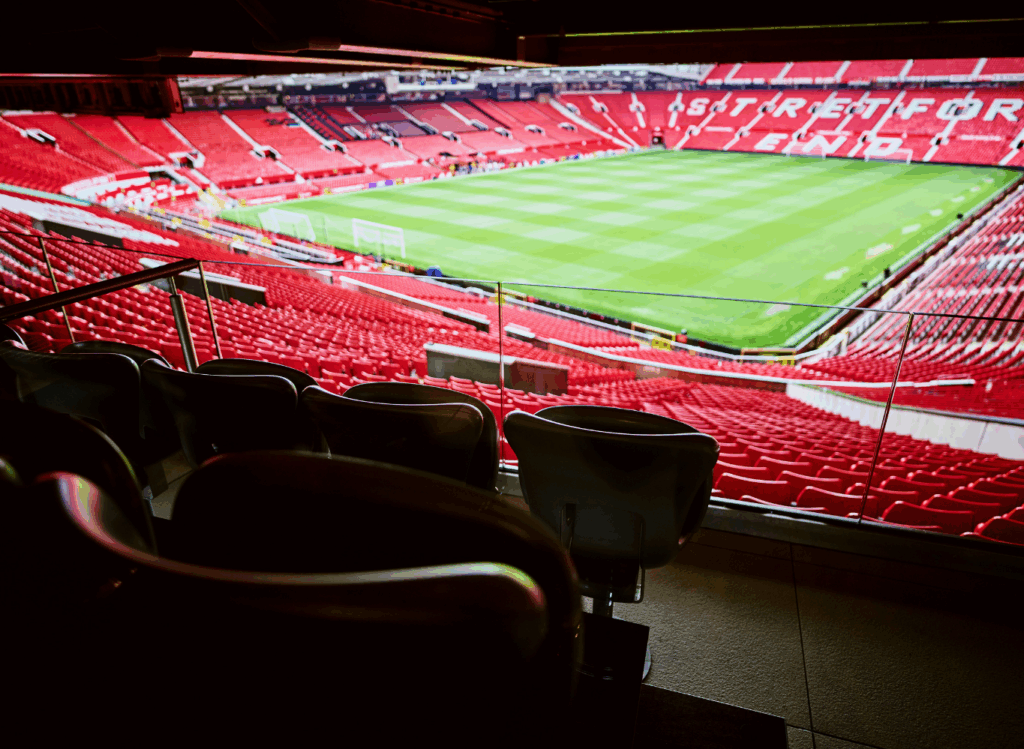
Private Executive Box for 8 People
- Private Executive Box for 8 guests
- Informal dining experience
- Four course buffet
- Complimentary bar including beer, wine & soft drinks
- Private, outdoor balcony to watch all the action on the pitch
- Car Parking
- 3 hours pre kick off, half time and 1 hour post match
- Dress code – smart casual
- Matchday programme
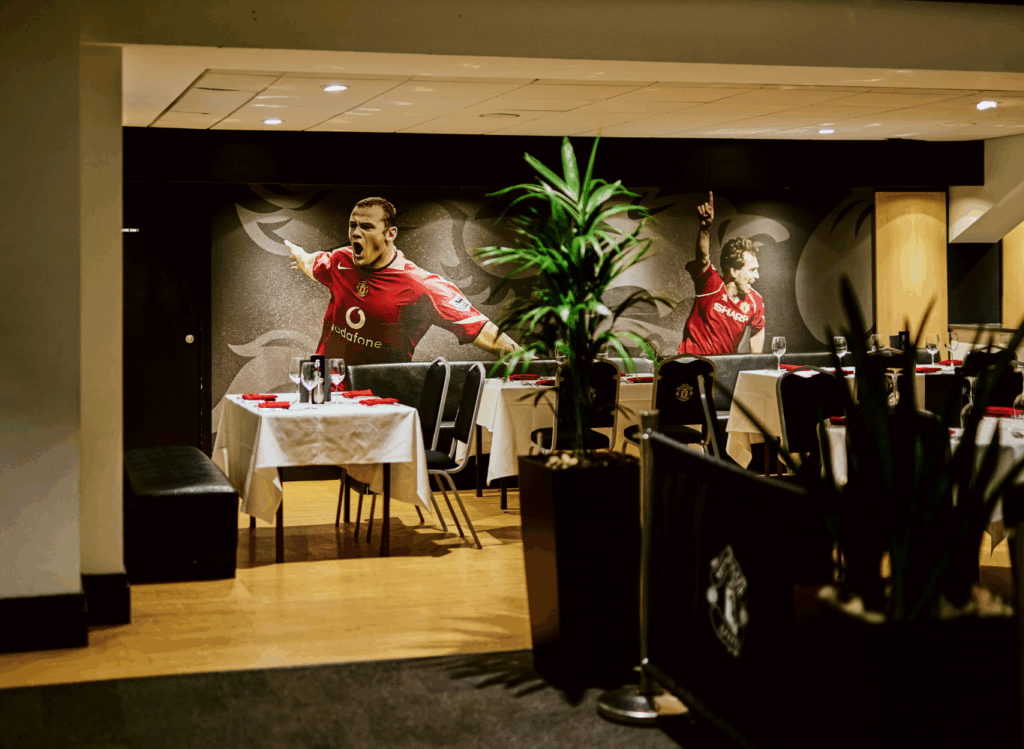
Manchester Suite VIP
- Sir Alex Ferguson Stand Executive Padded seat in Block N2406
- Access to the Manchester Suite VIP
- Reserved table inside the restaurant with a Four course a la carte menu
- Arrival champagne and canapes, and post-match snacks
- Complimentary bar including spirits, beer, wine & soft drinks
- 3 hours pre kick off, half time and 1 hour post match
- Dress code – smart casual
- Complimentary match programme
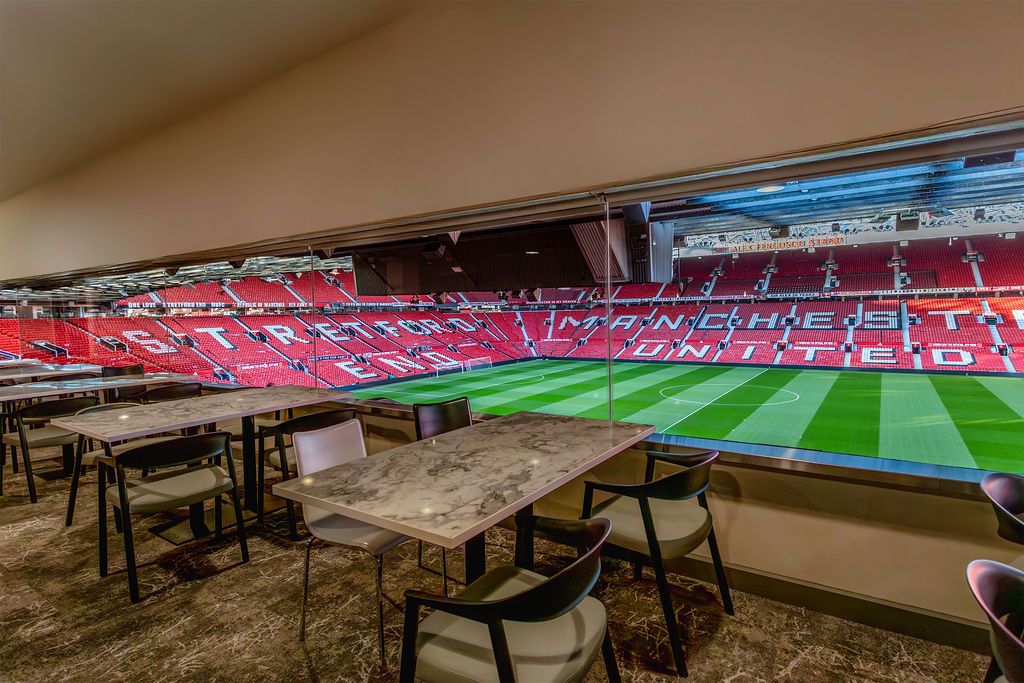
Sir Bobby Charlton Suite
- Sir Bobby Charlton Stand Executive Padded seat in Block S223
- Access to the Sir Bobby Charlton Suite Bar & Kitchen
- Drinks and hot street food options available to purchase on the day
- 3 hours pre kick off, half time and 1 hour post match
- Dress code – smart casual
- Complimentary match programme
Salford Suite
- Sir Alex Ferguson Stand Executive Padded seat in Block N3416
- Access to the Salford Suite Bar & Kitchen
- Drinks and hot food options available to purchase on the day
- 3 hours pre kick off, half time and 1 hour post match
- Dress code – smart casual
- Complimentary match programme
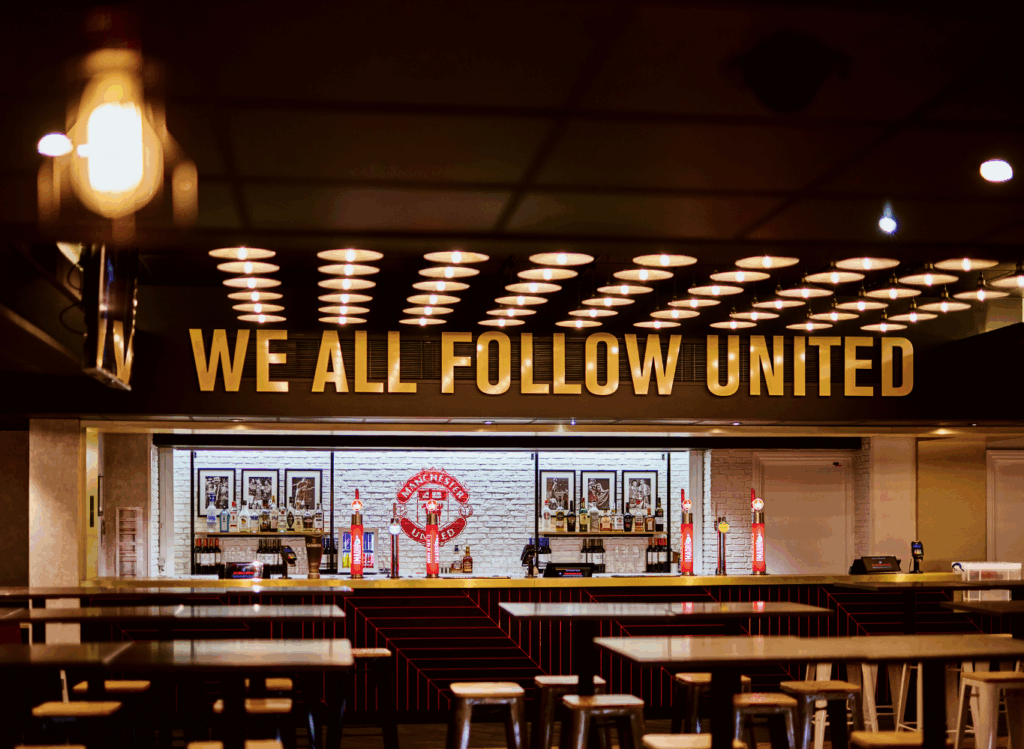
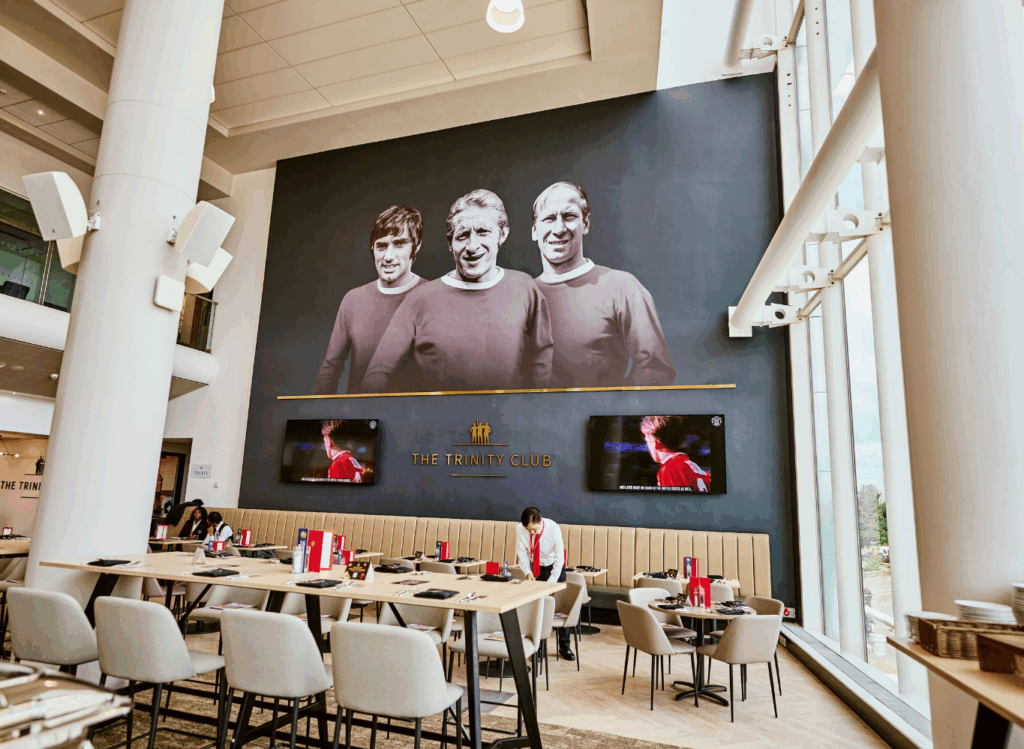
Trinity Club (Pre-Match)
- Executive Padded seating in Block E334
- Pre-match access to the Trinity Club
- Complimentary bar including beer, wine & soft drinks
- Informal dining experience with Contemporary bowl food served pre-match
- 3 hours access pre kick off, access to the Trinity Club not included at half time or post match.
- Dress code – smart casual
- Complimentary match programme
Matchday Ticket Plus
- Executive Padded seating in Block NW3432
- Concourse meal voucher to include 1 hot food item, 1 drink and 1 snack
- Match programme voucher
- Access to the stadium 2 hours before kick-off
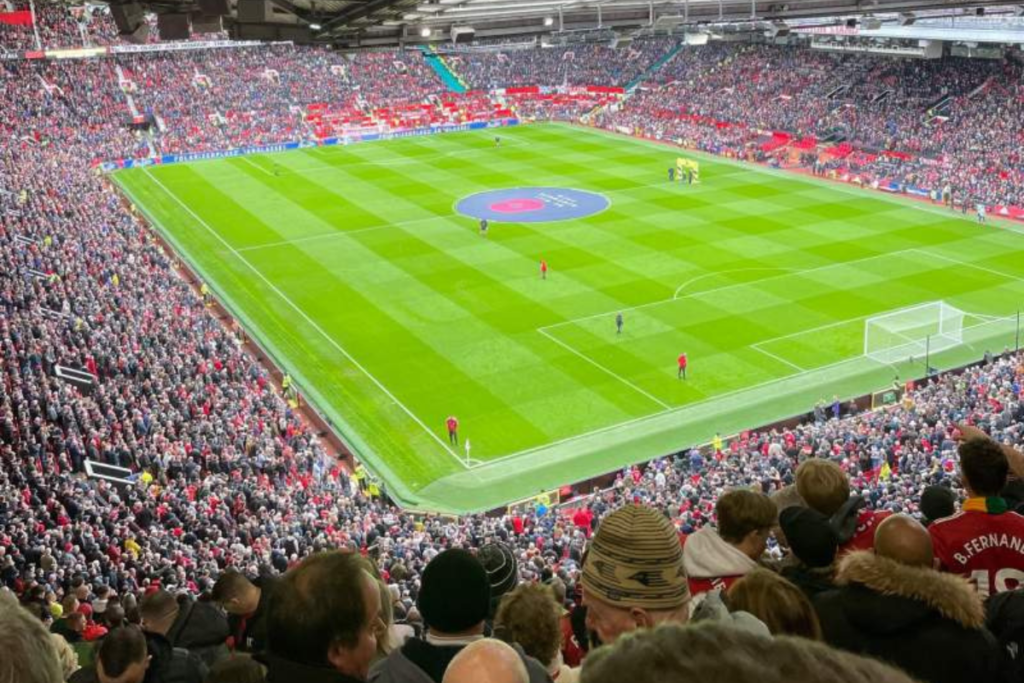
Manchester United 2026/27 fixtures and hospitality
The Old Trafford fixtures that fans never want to miss.
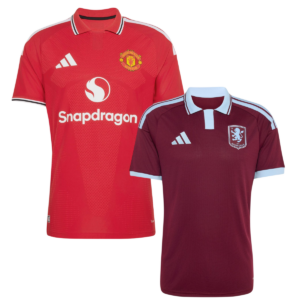
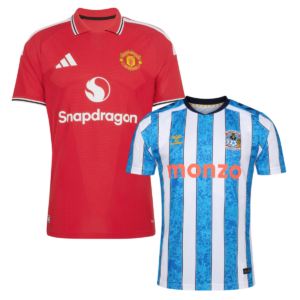
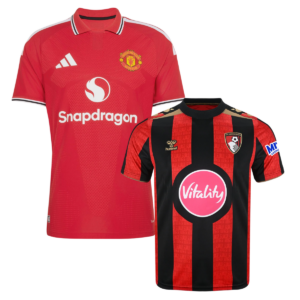
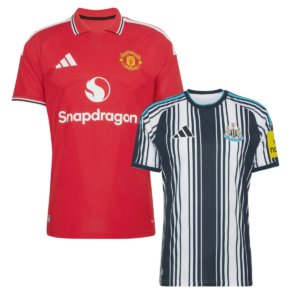
Manchester United v. Brentford
UEFA Champions League: Manchester United v. RB Leipzig – 8 December 2026
Manchester United v. Nottingham Forest
UEFA Champions League: Manchester United v. AS Roma – 3 November 2026
Manchester United v. Sunderland
Manchester United v. Tottenham Hotspur
What Our Customers Say

Europa League, Old Trafford, Man Utd Vs Lyon. The atmosphere was electric! I went alone but sat next to single…
Europa League, Old Trafford, Man Utd Vs Lyon. The atmosphere was electric! I went alone but sat next to single spectators either side and we were an Old Trafford family cheering one of the greatest comebacks of all time. As Maguire celebrated his goal by the corner below us, I swung my flag above my head and was taken back to that night in 1999! I sang on my walk back to Salford Quays soaking up the special night as long as could.
Read More
Ash was really efficient and helpful when sorting the tickets for the Salford Suite. The ticket process was hassle free,…
Ash was really efficient and helpful when sorting the tickets for the Salford Suite. The ticket process was hassle free, and on the day everything ran smoothly. The Salford Suite itself was brilliant – comfortable, great views, and a really welcoming atmosphere. It was an enjoyable day and would definitely recommend.
Read More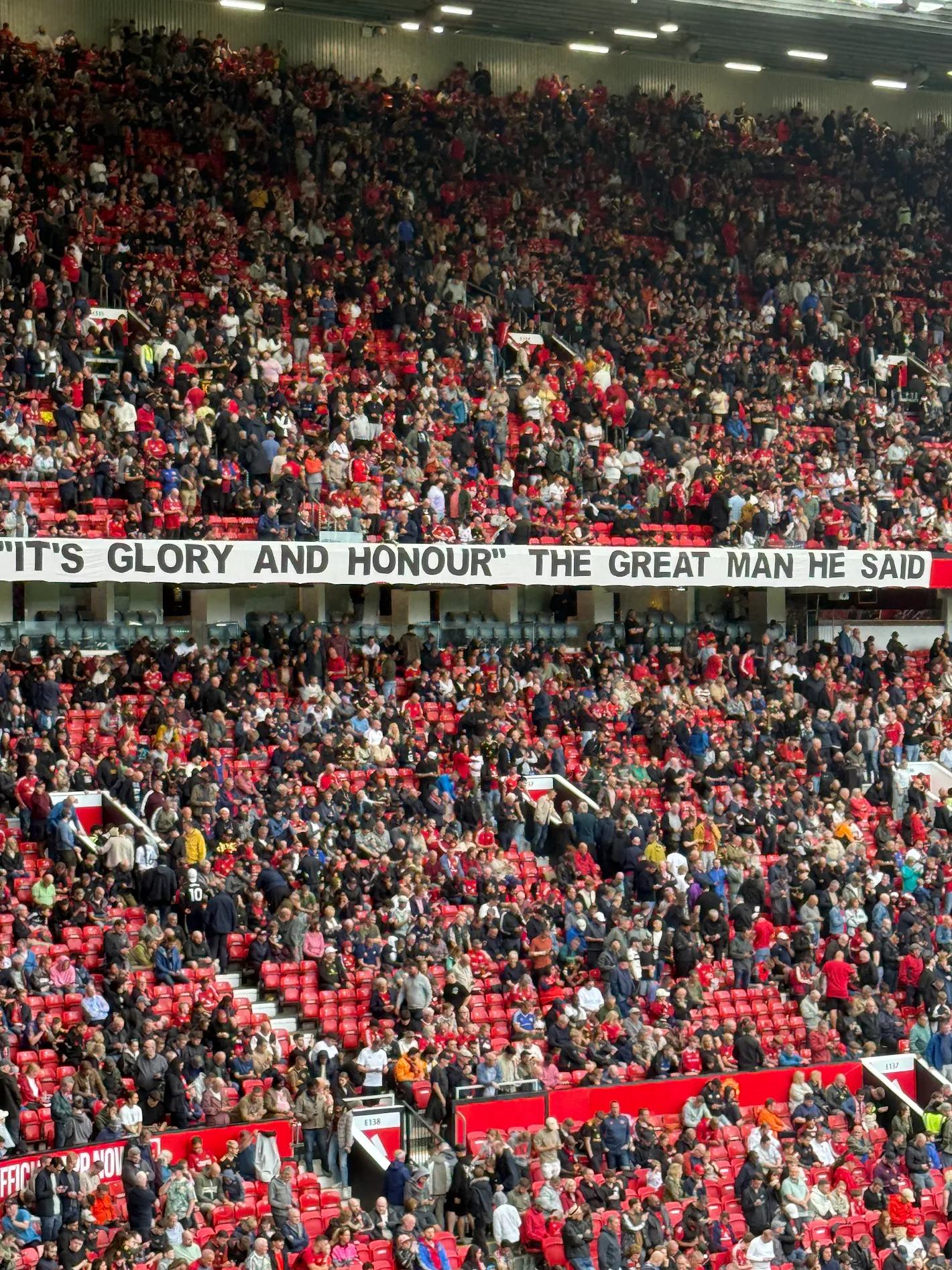
Wow, the seats were absolutely amazing! We were in the Manchester United suite, N2406, and had an incredible view of…
Wow, the seats were absolutely amazing! We were in the Manchester United suite, N2406, and had an incredible view of the match—right in the middle of the pitch! The pre-match meal was a four-course affair, which was pretty good, but since we were running late, they graciously accommodated our last course during halftime (To make sure we didn’t miss a single moment). The hosts and hostesses in the lounge were incredibly courteous and responsive, even though the lounge was extremely busy.. the atmosphere in the stand was still really good. 😅 The game was a real thriller, and Manchester United clinched the victory in the 97th minute! That made the trip even more unforgettable. Afterward, we were served some snacks in the lounge area, which were also nice. It was my first time at Old Trafford, and I’m so glad I bought the hospitality tickets. Ashley from the team was super helpful and made sure we all had seats together, even though the tickets were bought separately.
Read More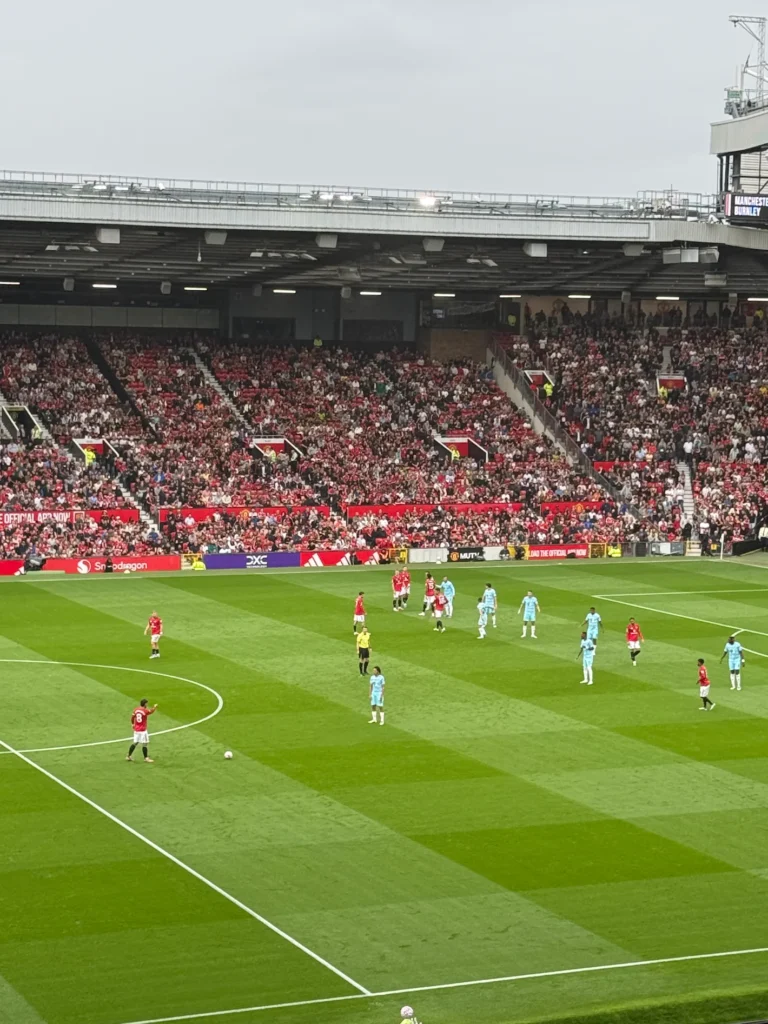
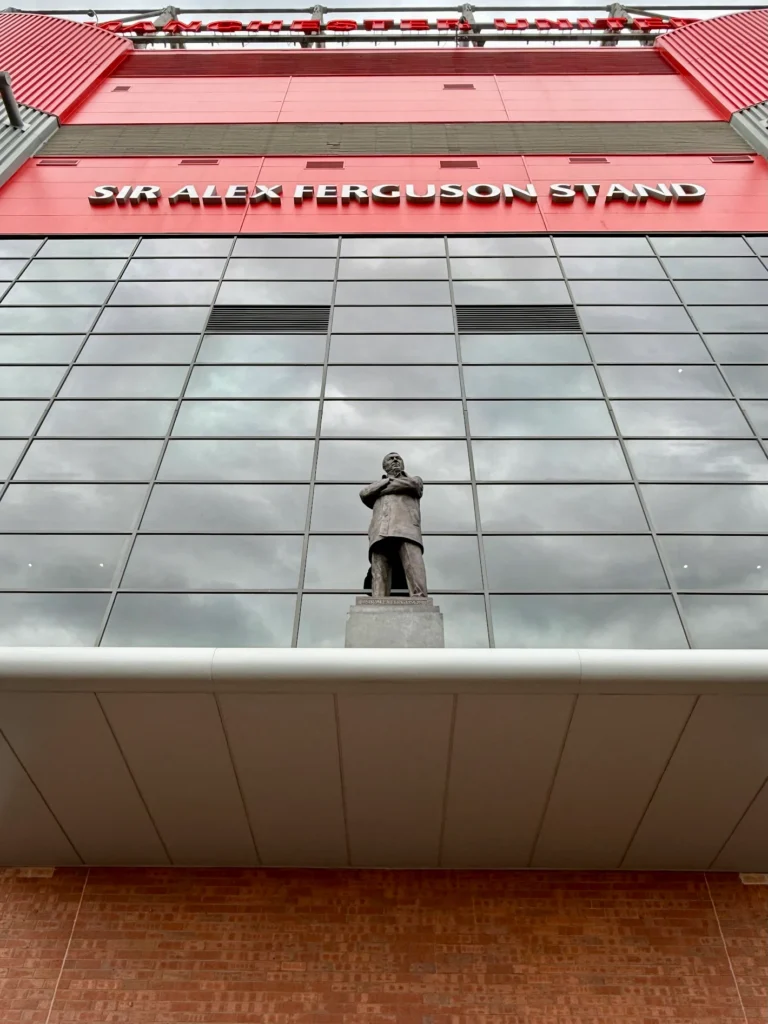
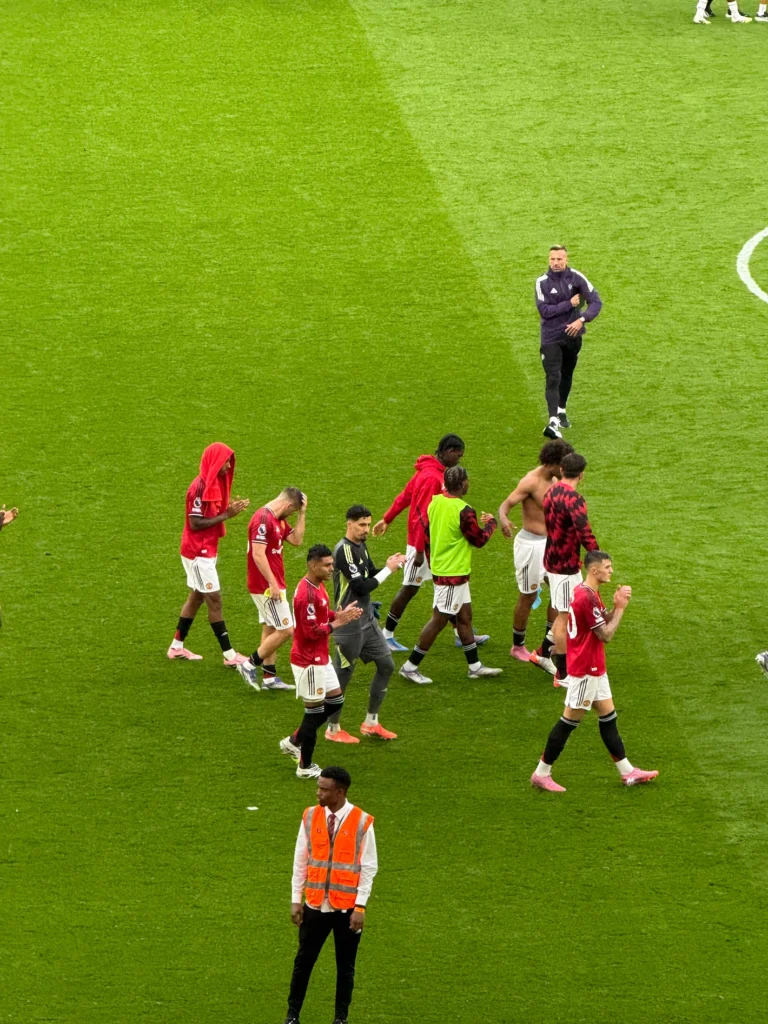
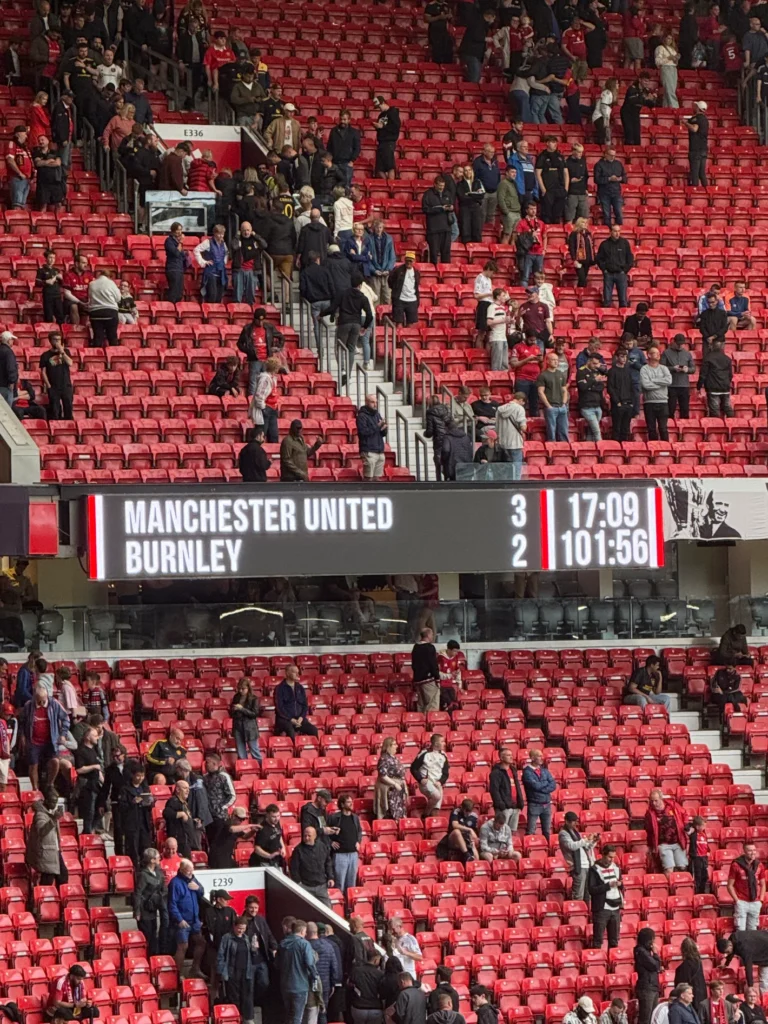
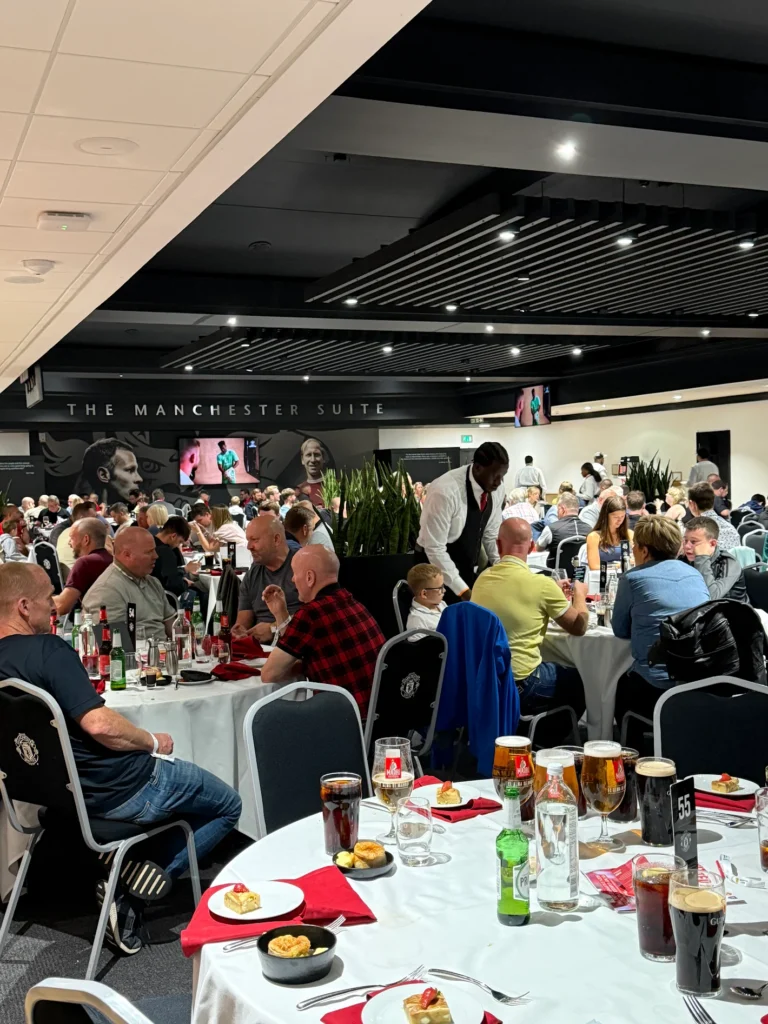
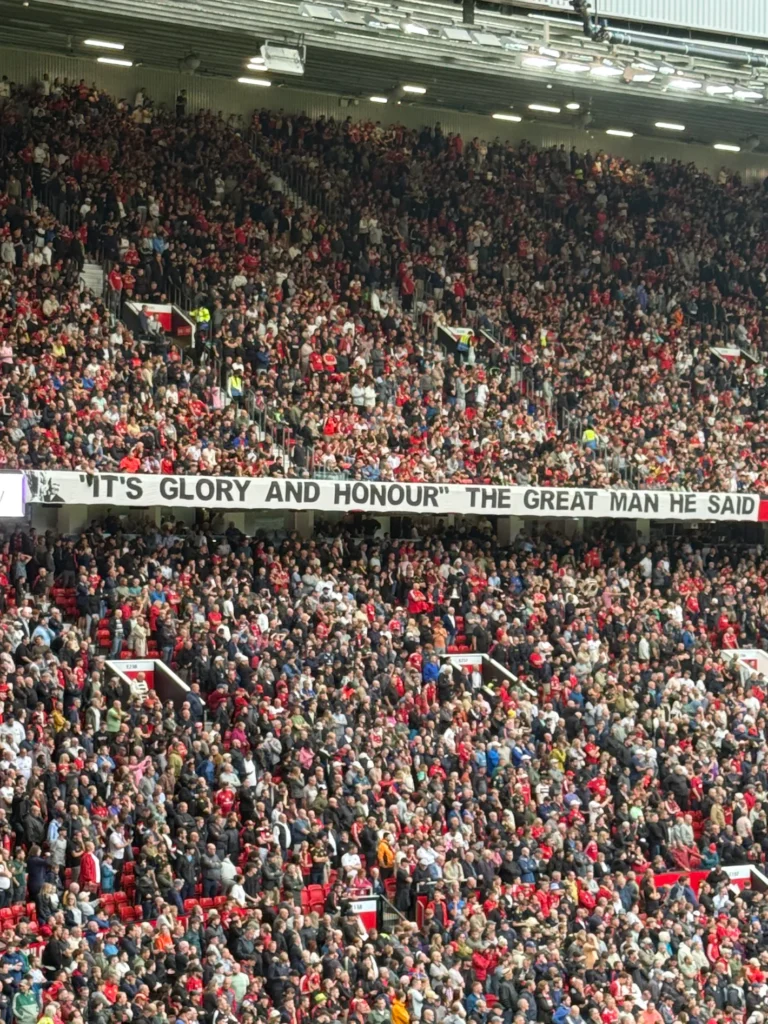
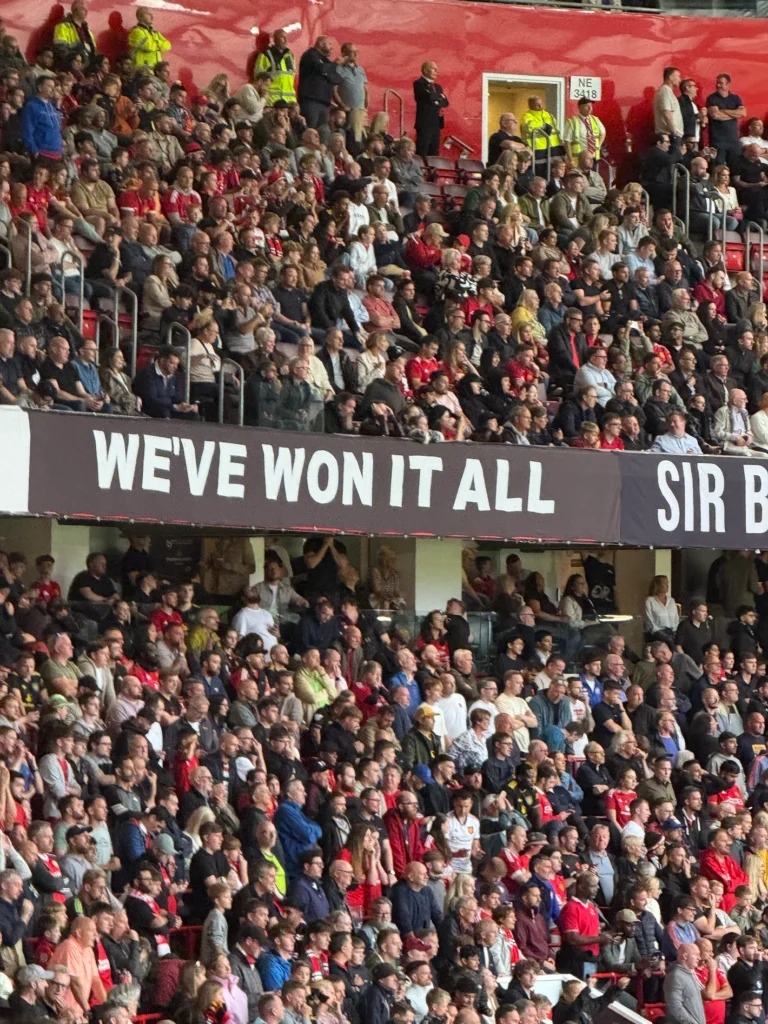
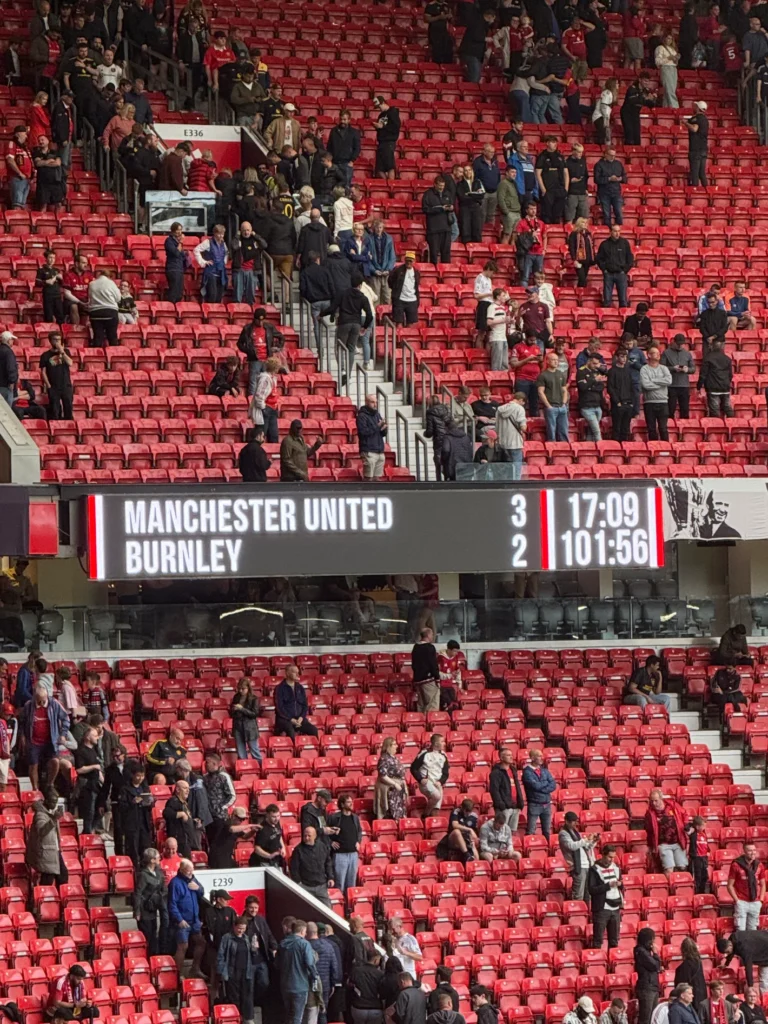
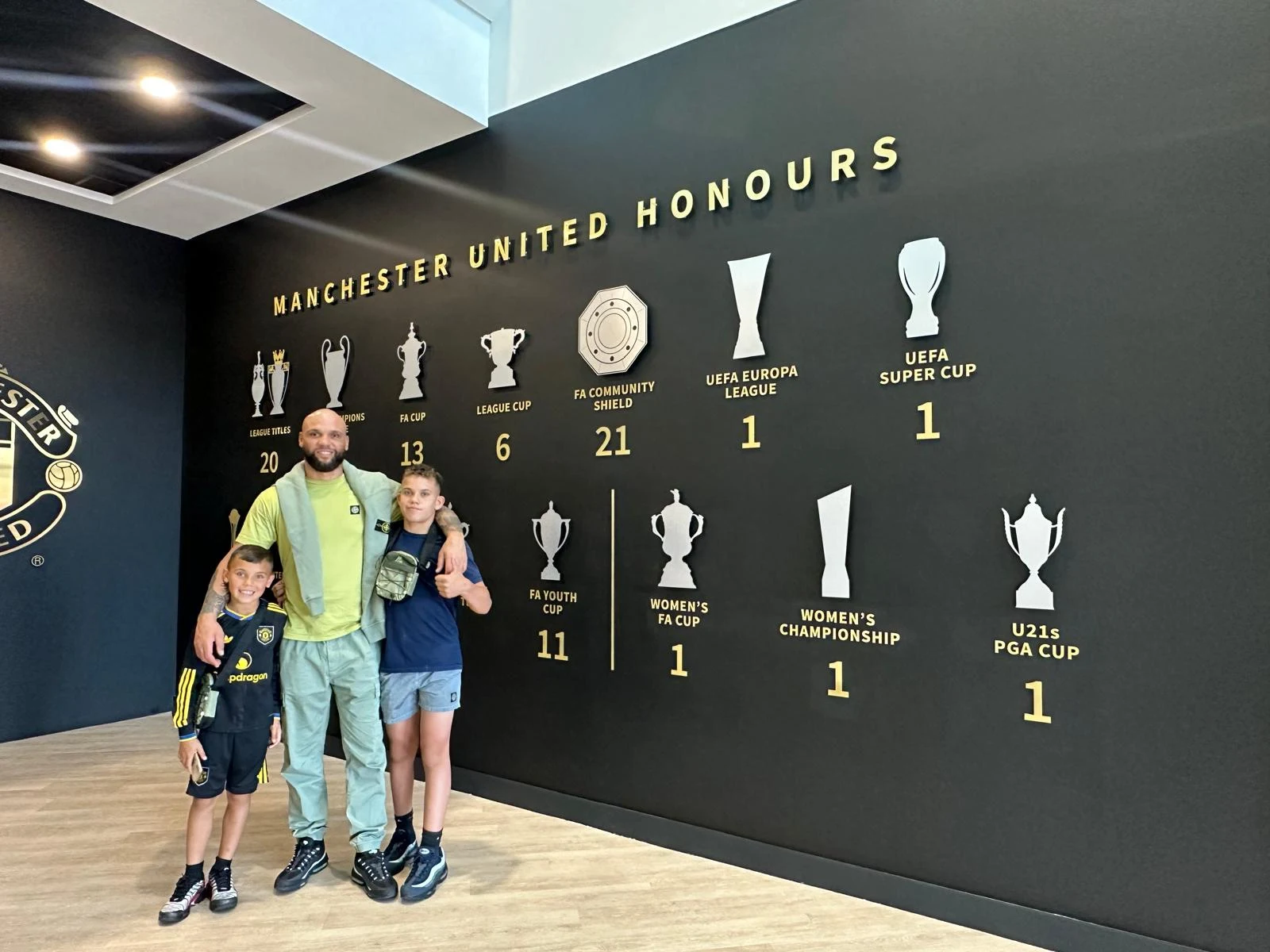
It was a nice experience in The Trinity Club for the Man Utd v Arsenal match, good food and drinks…
It was a nice experience in The Trinity Club for the Man Utd v Arsenal match, good food and drinks and nice seats to watch the game, definitely recommend.
Read More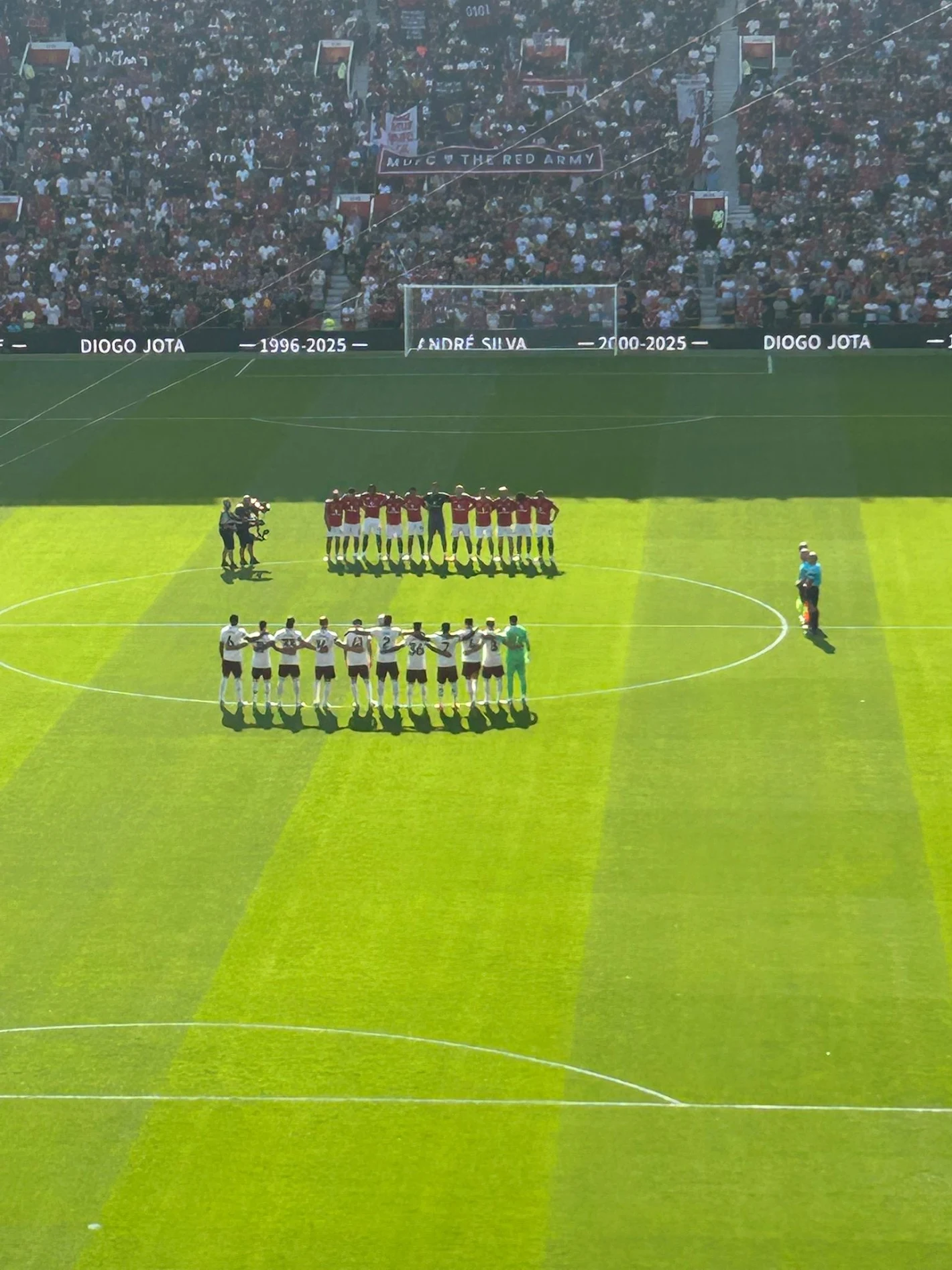
The whole experience was wonderful. From entering the room, we were made to feel very special with an optional welcome…
The whole experience was wonderful. From entering the room, we were made to feel very special with an optional welcome glass of bubbly. The room itself was lovely, bright and air conditioned. There was a really relaxed ambience and lovely atmosphere, with music playing. The food was wonderful with lots of choice. The drinks were plentiful, and you could order whatever you wanted, plus the waiting staff were very attentive. It was a nice touch when an ex-player (Russell Beardsmore) popped in to be interviewed and the time passed far too quickly!. A great day all in all for all ages and big thanks to Ash for arranging.
Read More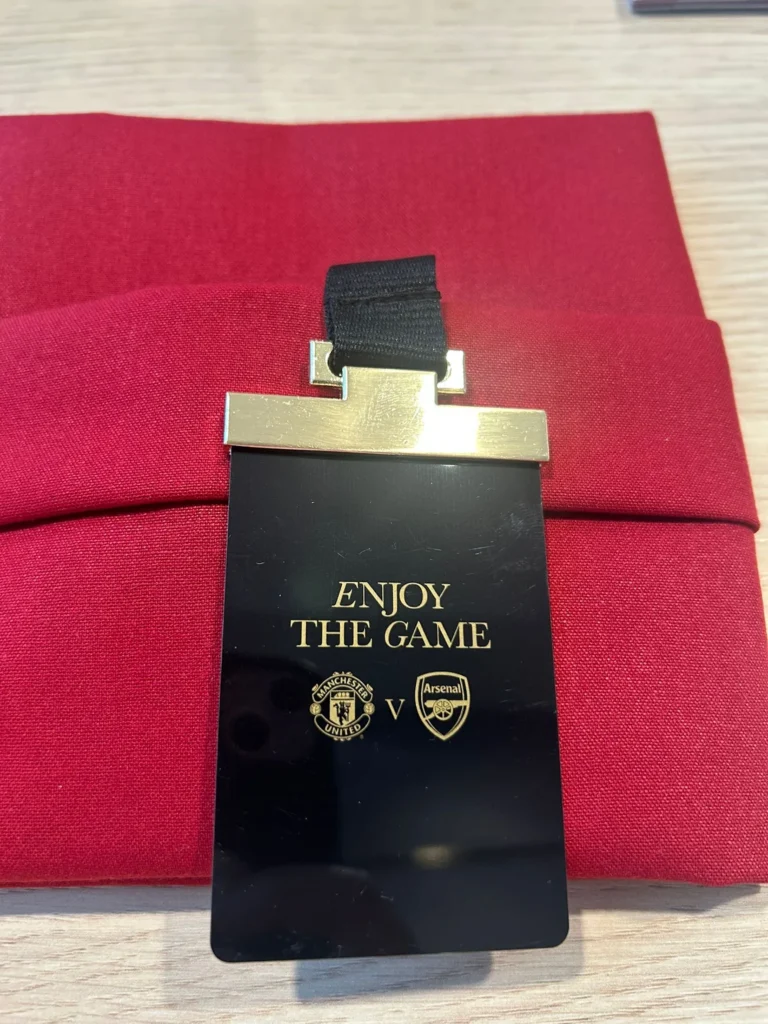
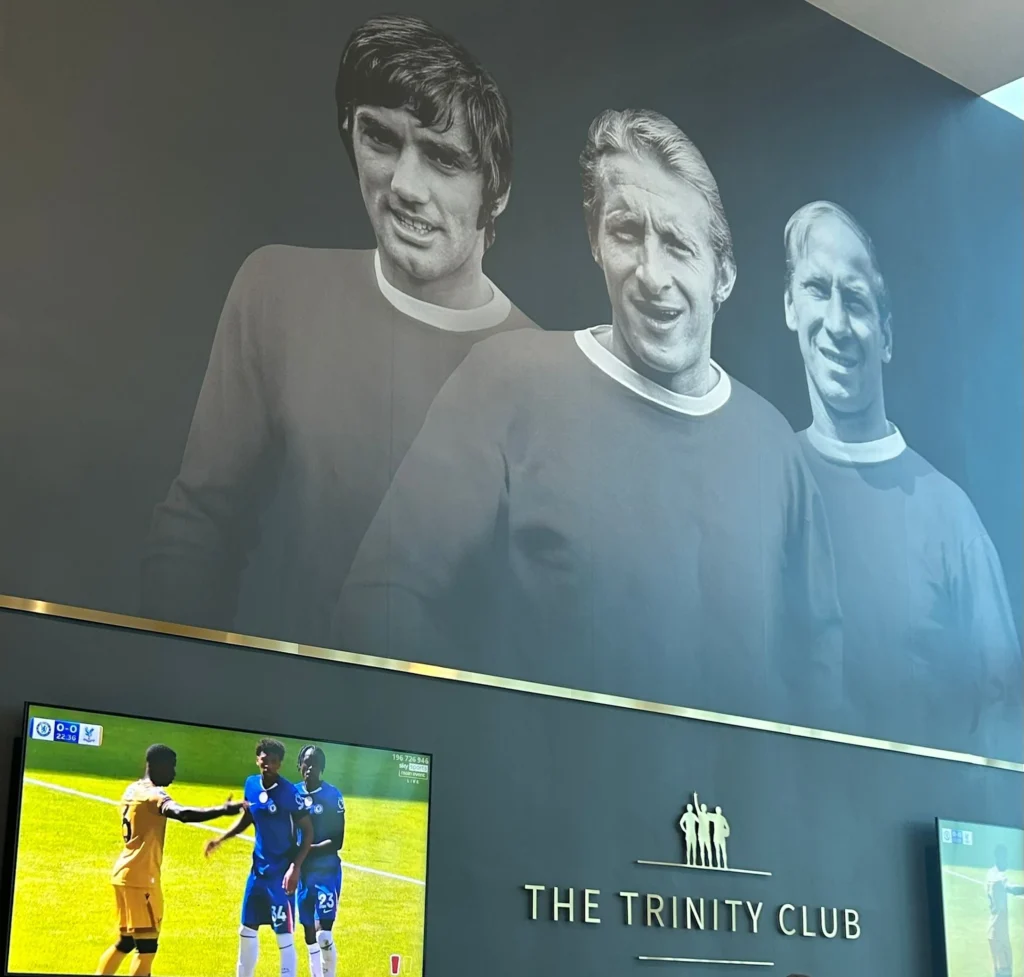
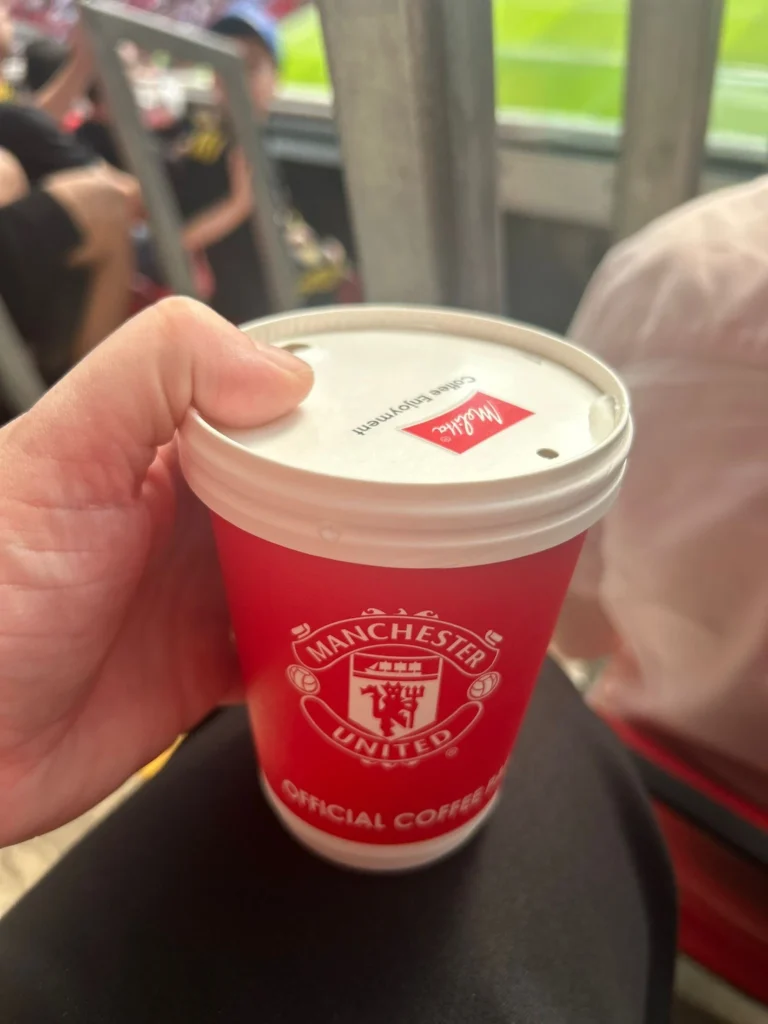
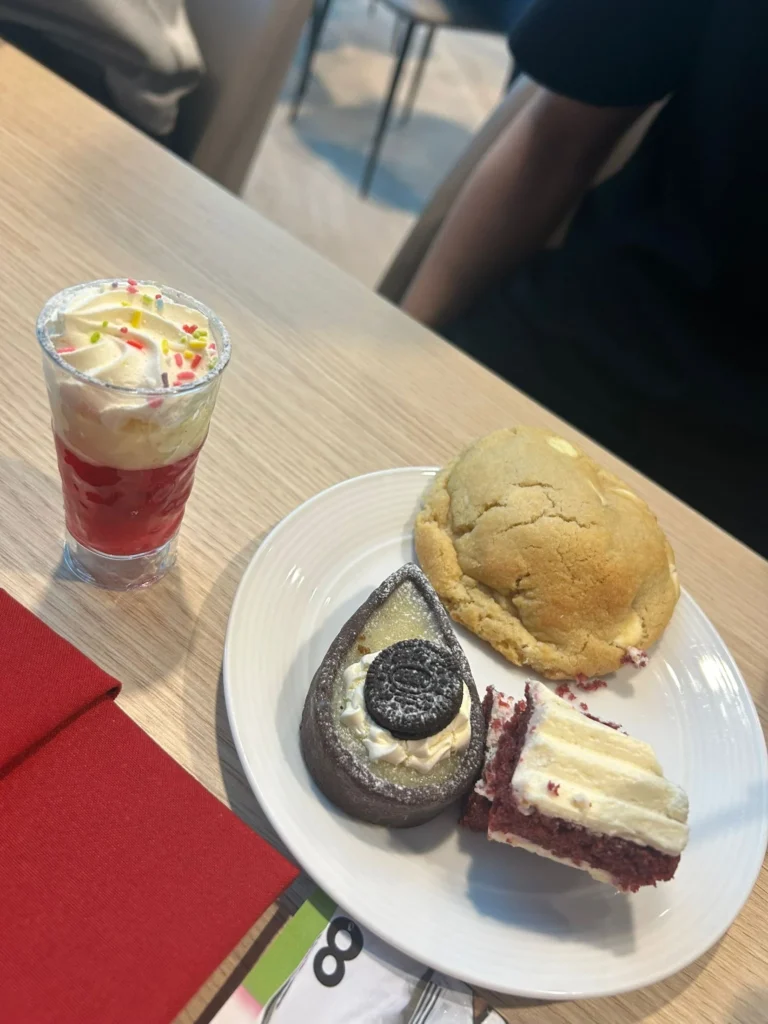
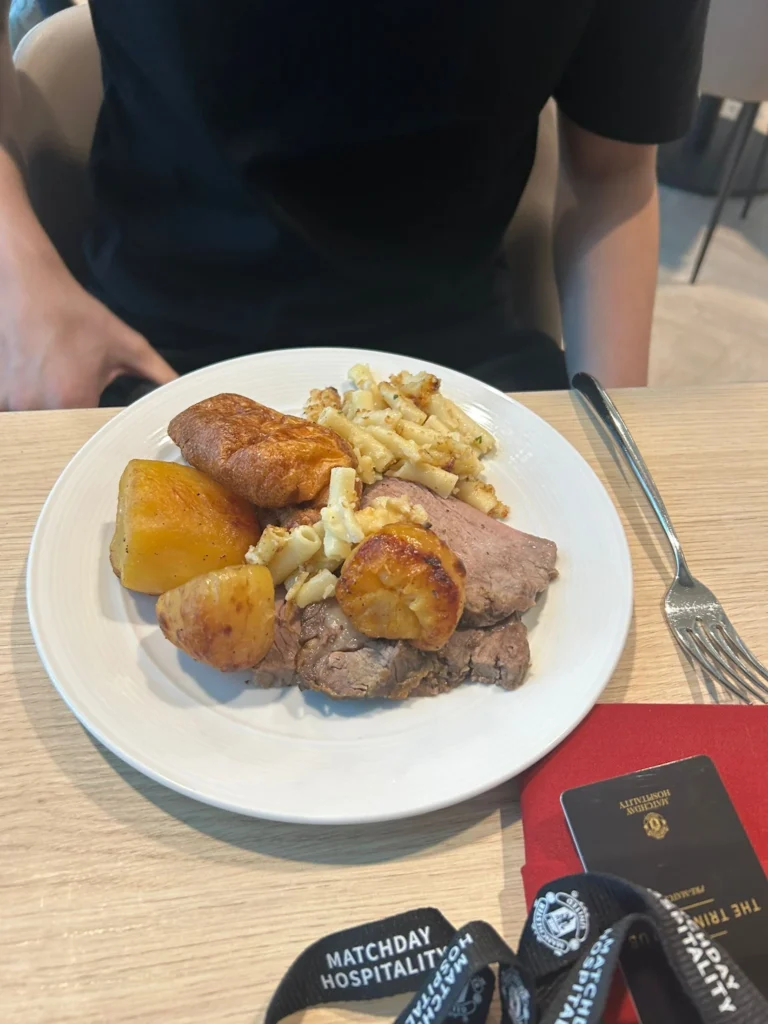
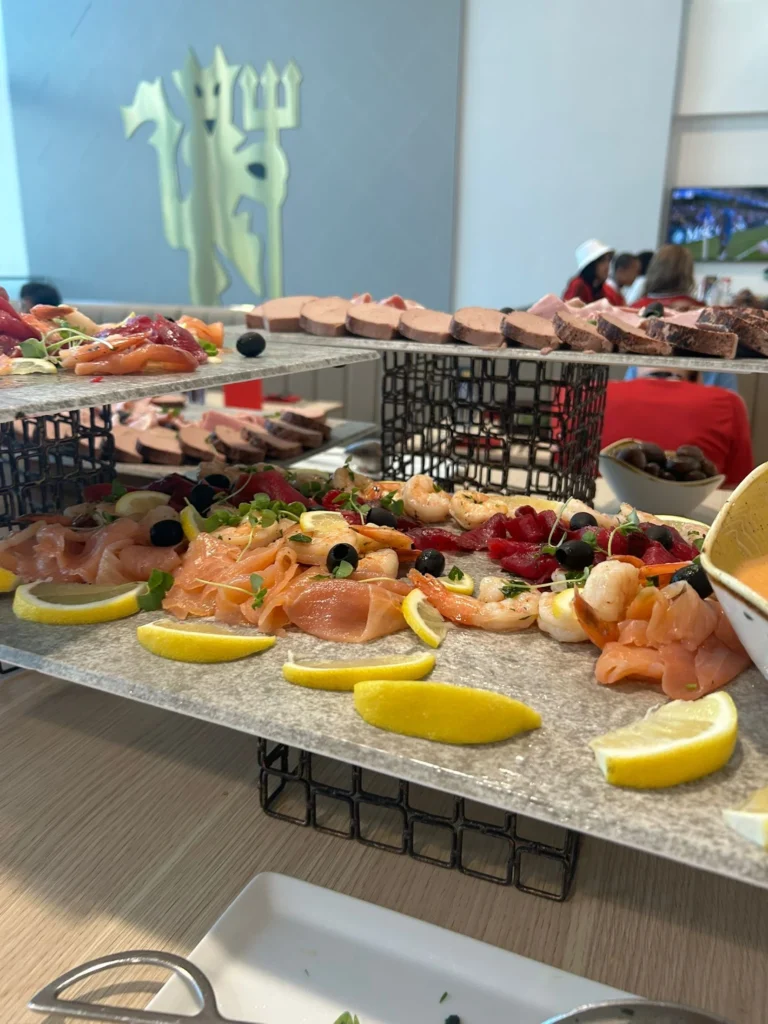
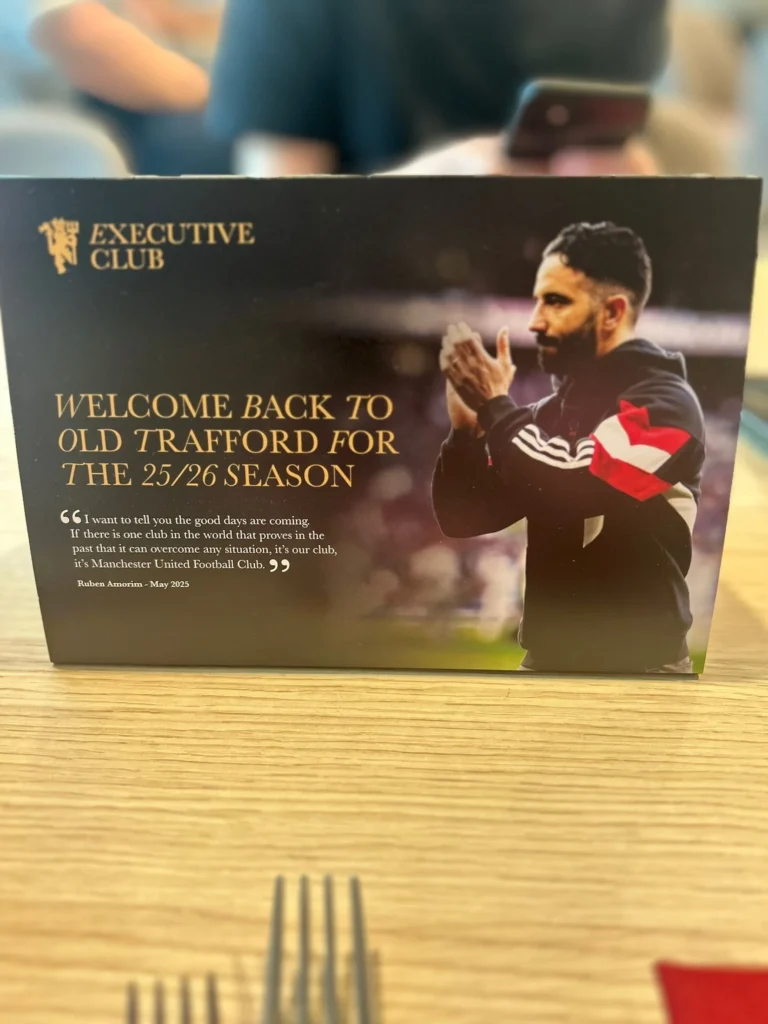
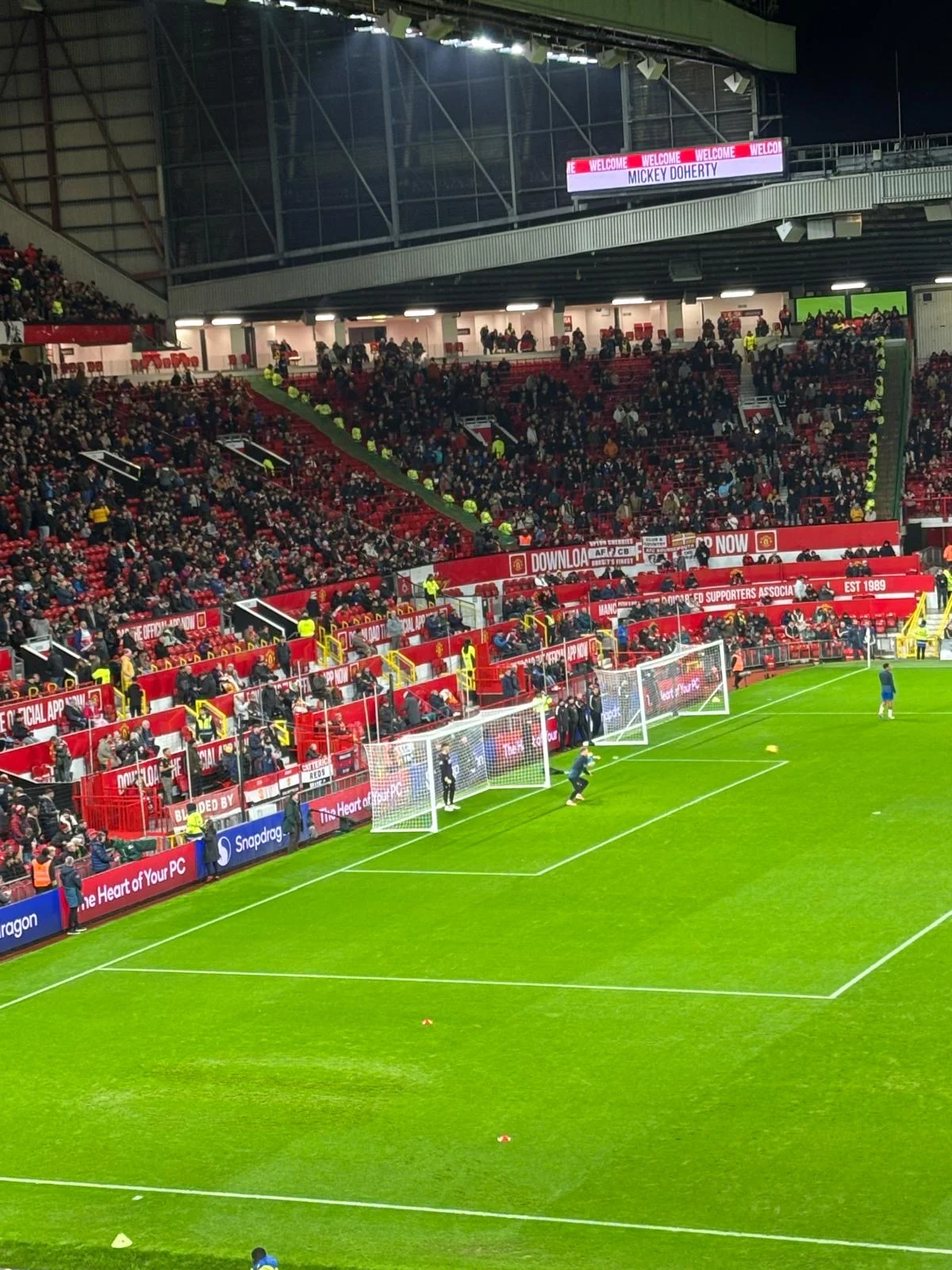
Had a Great experience visiting old Trafford with some excellent hospitality at the Manchester suite and some excellent seats within…
Had a Great experience visiting old Trafford with some excellent hospitality at the Manchester suite and some excellent seats within the stadium, I Would highly recommend and I will be definitely using this company again sometime in the future.
Read More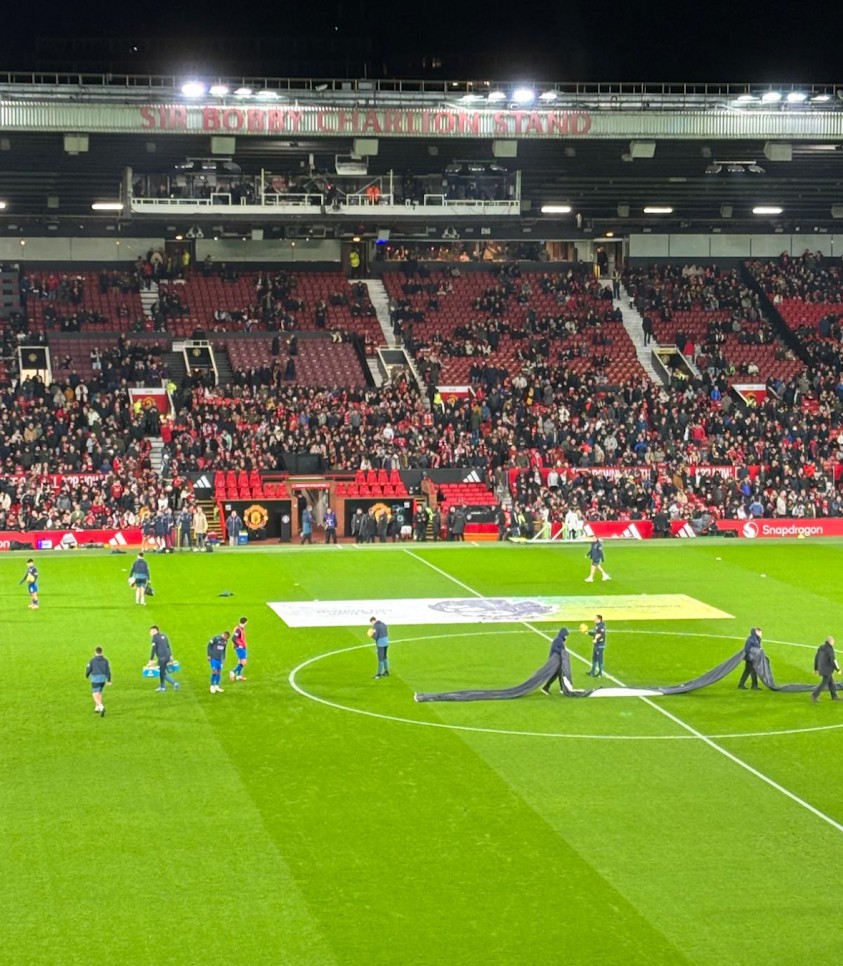
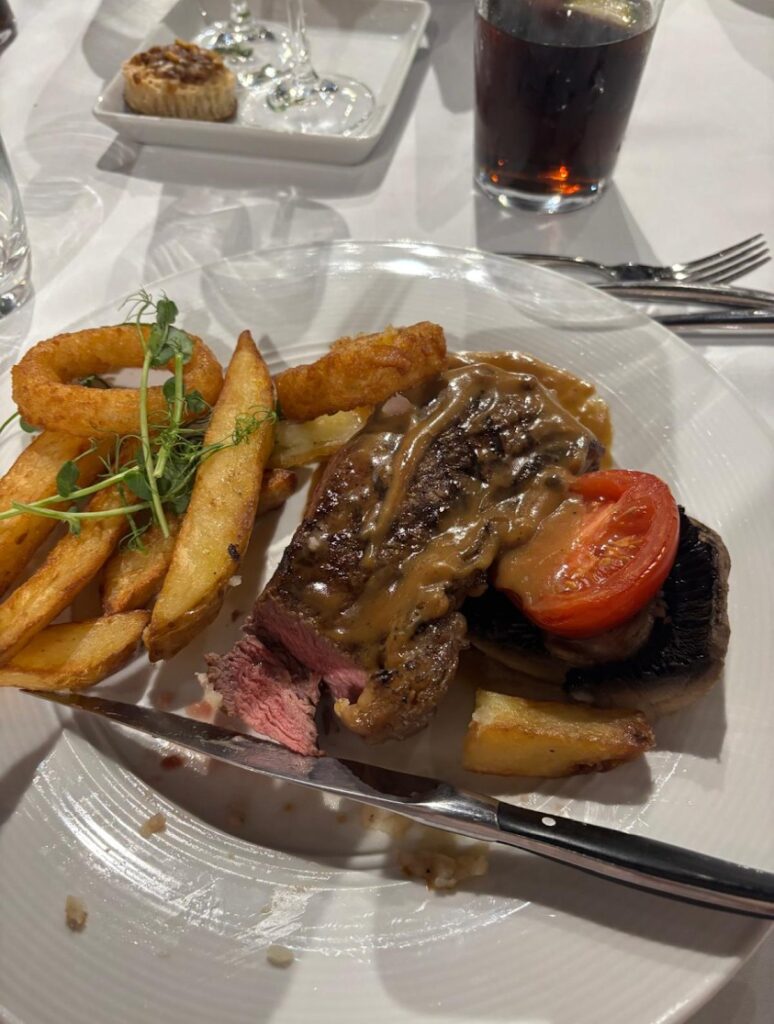
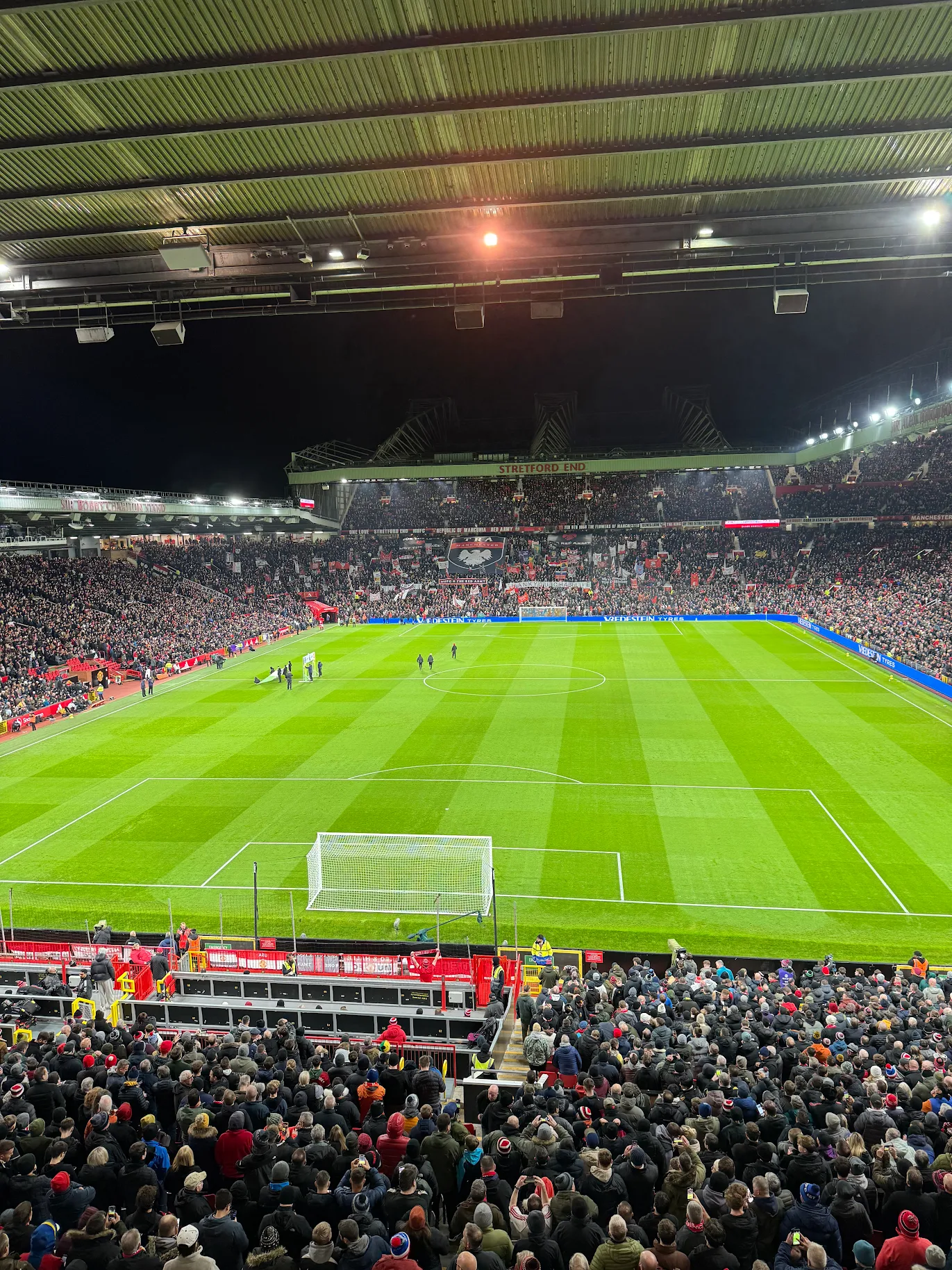
Had an awesome time. Great seats. First time to England and a Man U game and although they lost it…
Had an awesome time. Great seats. First time to England and a Man U game and although they lost it was a great experience. The hospitality package with the tickets is the way to go. They staff was very pleasant and hospitable. Thank you for the opportunity
Read More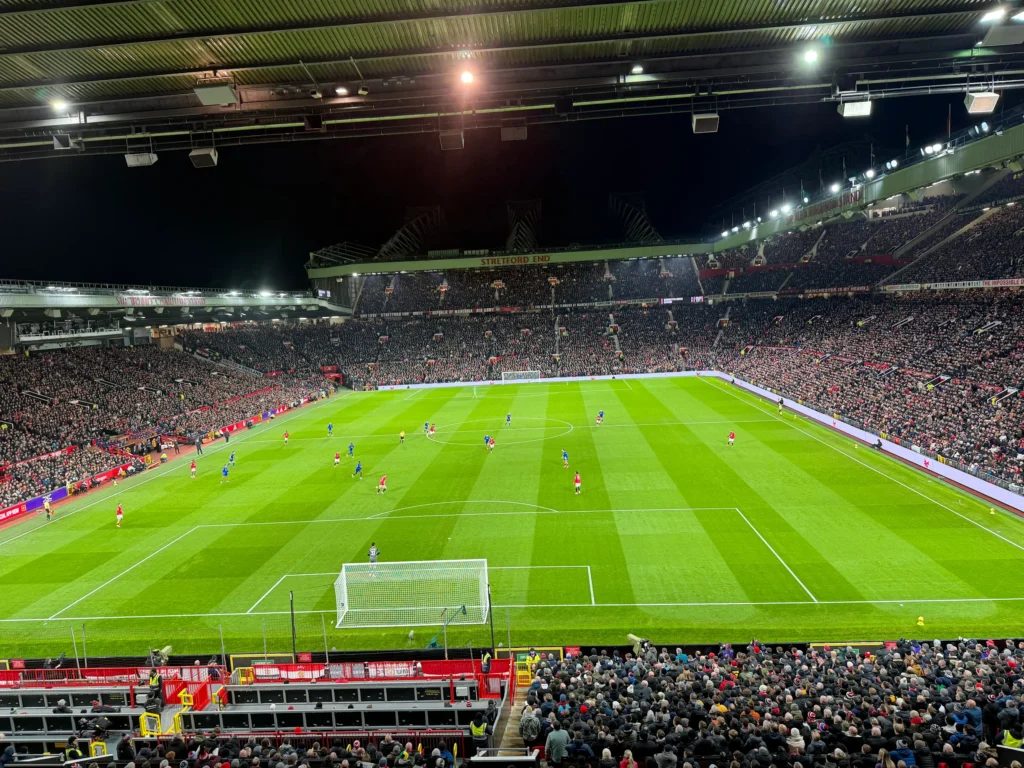
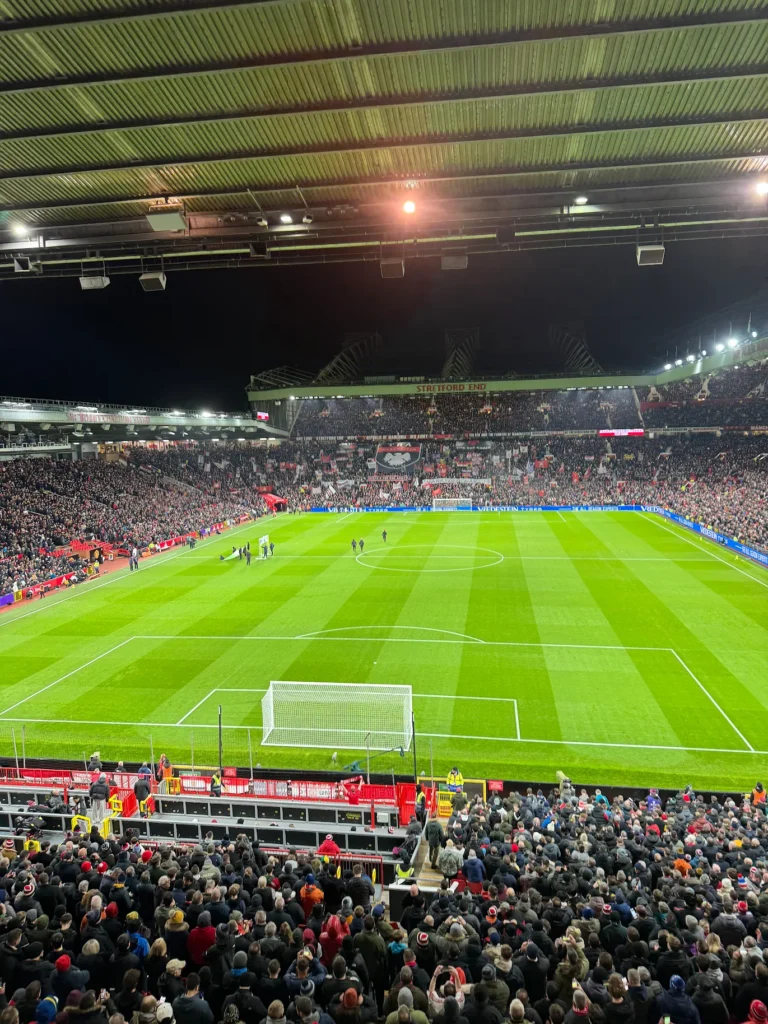
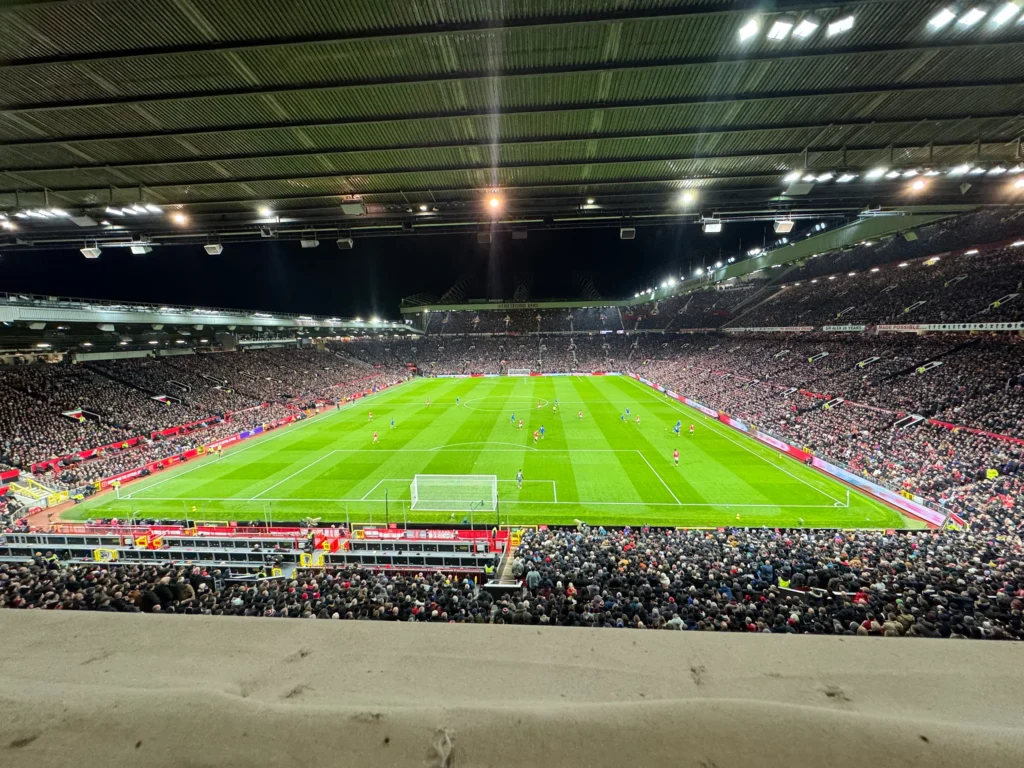
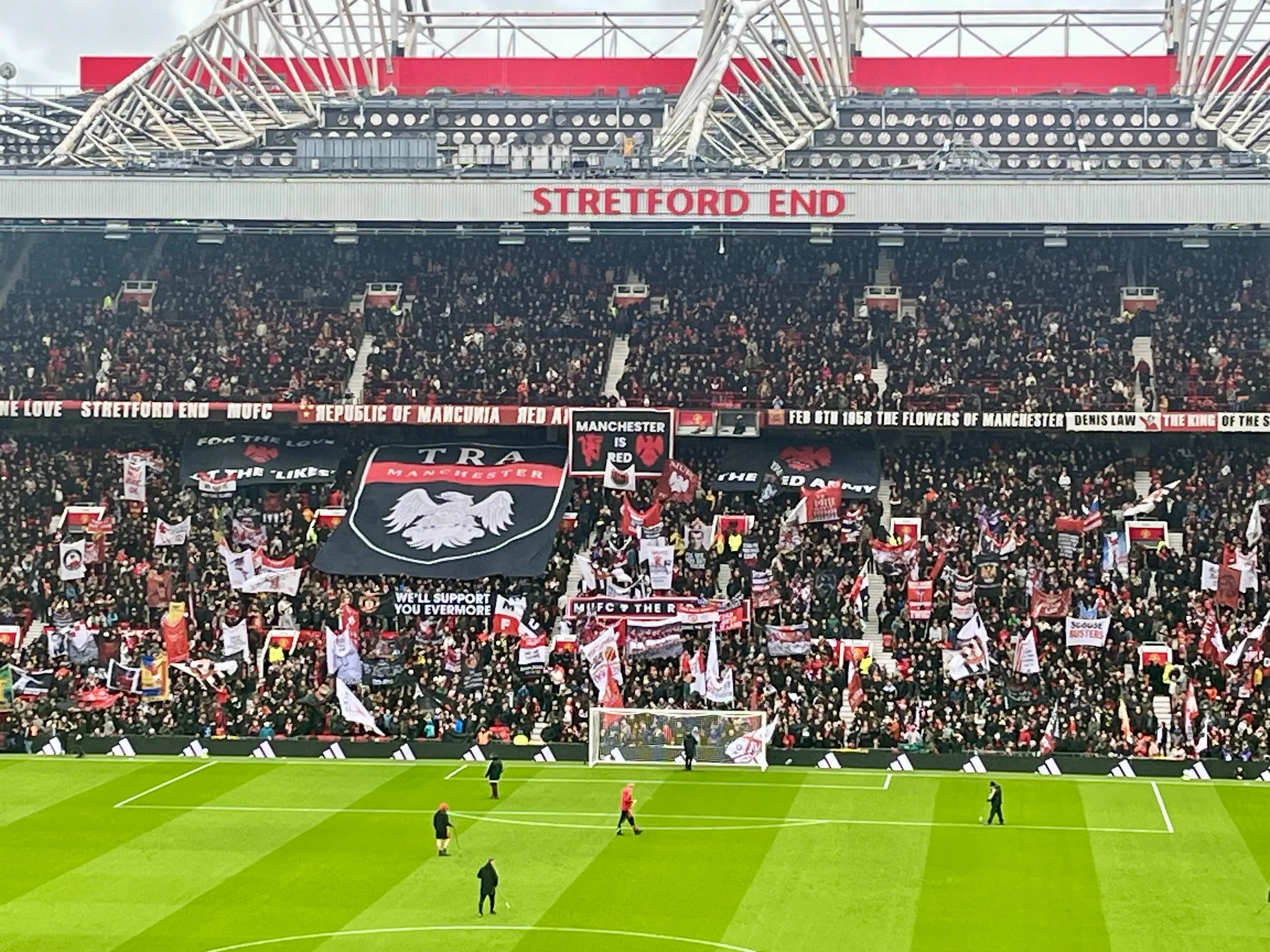
We attended the Aston Villa match at Old Trafford using the hospitality package from Sport and Music and it was…
We attended the Aston Villa match at Old Trafford using the hospitality package from Sport and Music and it was an excellent experience from start to finish. We had pre-game access to the Trinity Club, which offered a really comfortable and relaxed setting before the game. The hospitality was well organised, the staff were friendly and attentive, and everything ran very smoothly. For occasional fans visiting from outside Manchester, this is a perfect way to enjoy a match with official tickets and great facilities. It made the whole day feel special and stress-free. Highly recommended for anyone looking to turn a football match at Old Trafford into a memorable day out.
Read More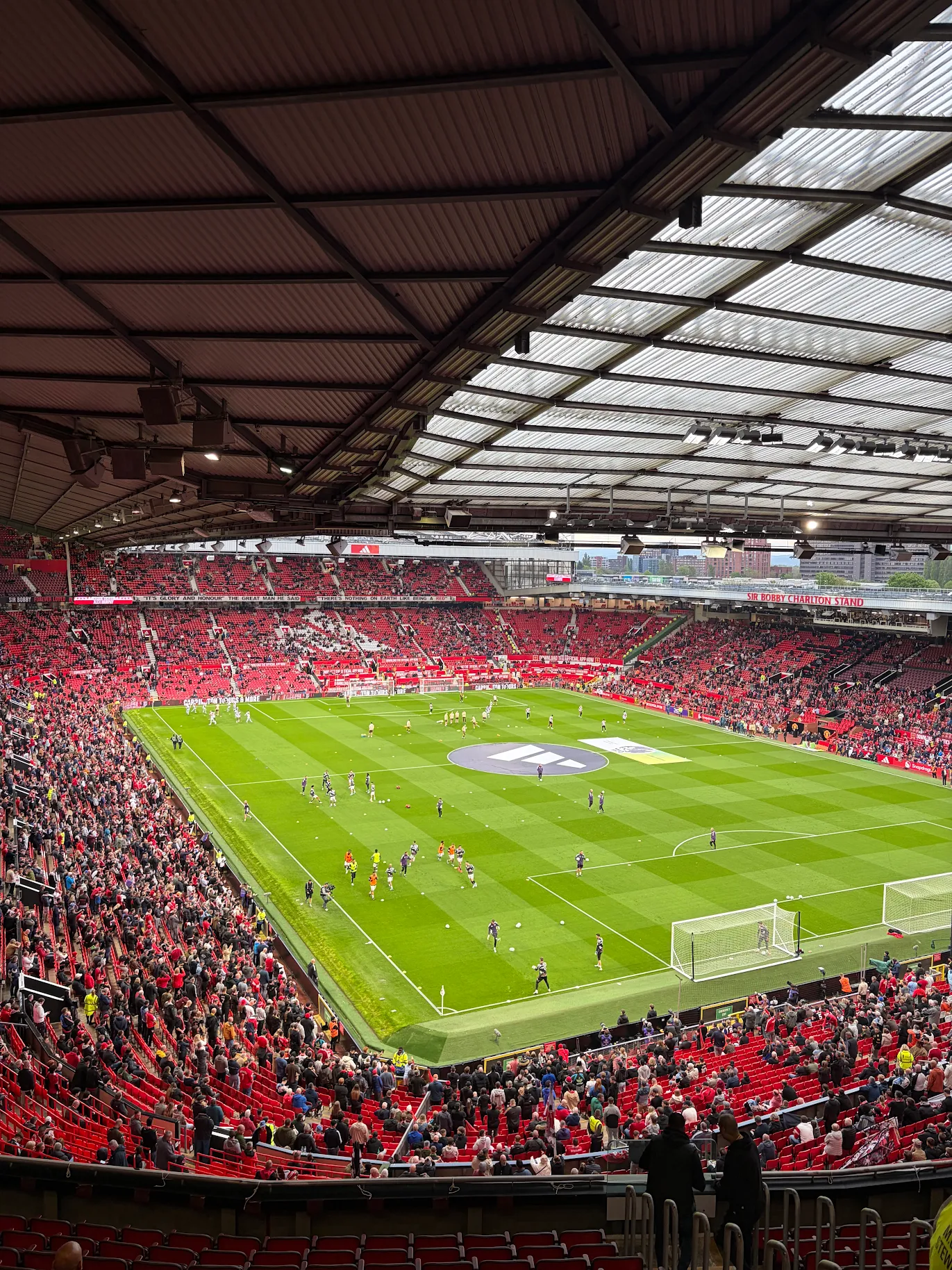
Sport and Music made the process easy and straightforward, answered emails quickly and even reached out via WhatsApp on match…
Sport and Music made the process easy and straightforward, answered emails quickly and even reached out via WhatsApp on match day to check if I had any questions. The seats were amazing. Received the tickets a good few days before match day. Definitely recommend!
Read More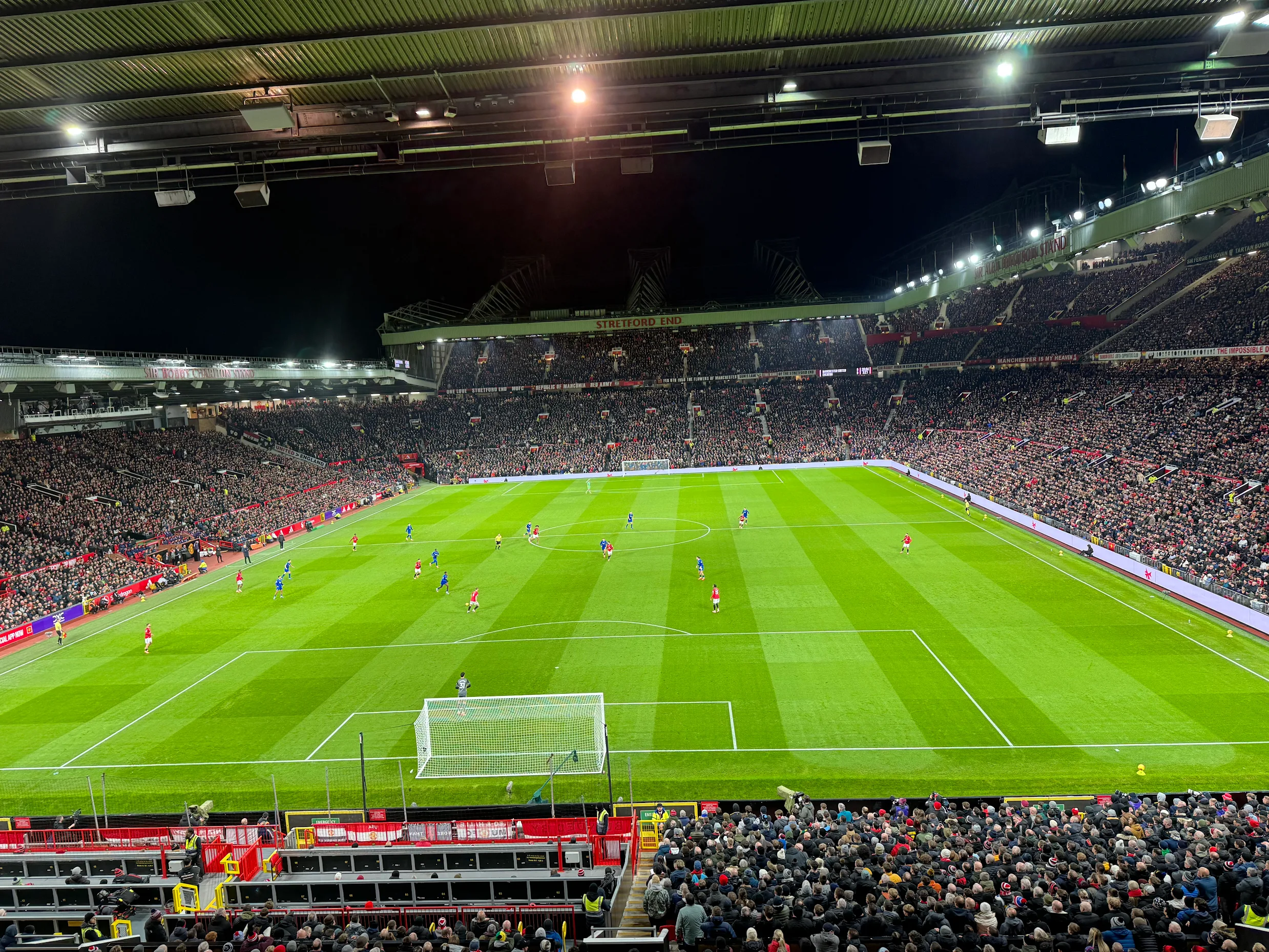
Had an awesome time. Great seats. First time to England and a Man U game and although they lost it…
Had an awesome time. Great seats. First time to England and a Man U game and although they lost it was a great experience. The hospitality package with the tickets is the way to go. They staff was very pleasant and hospitable. Thank you for the opportunity.
Read More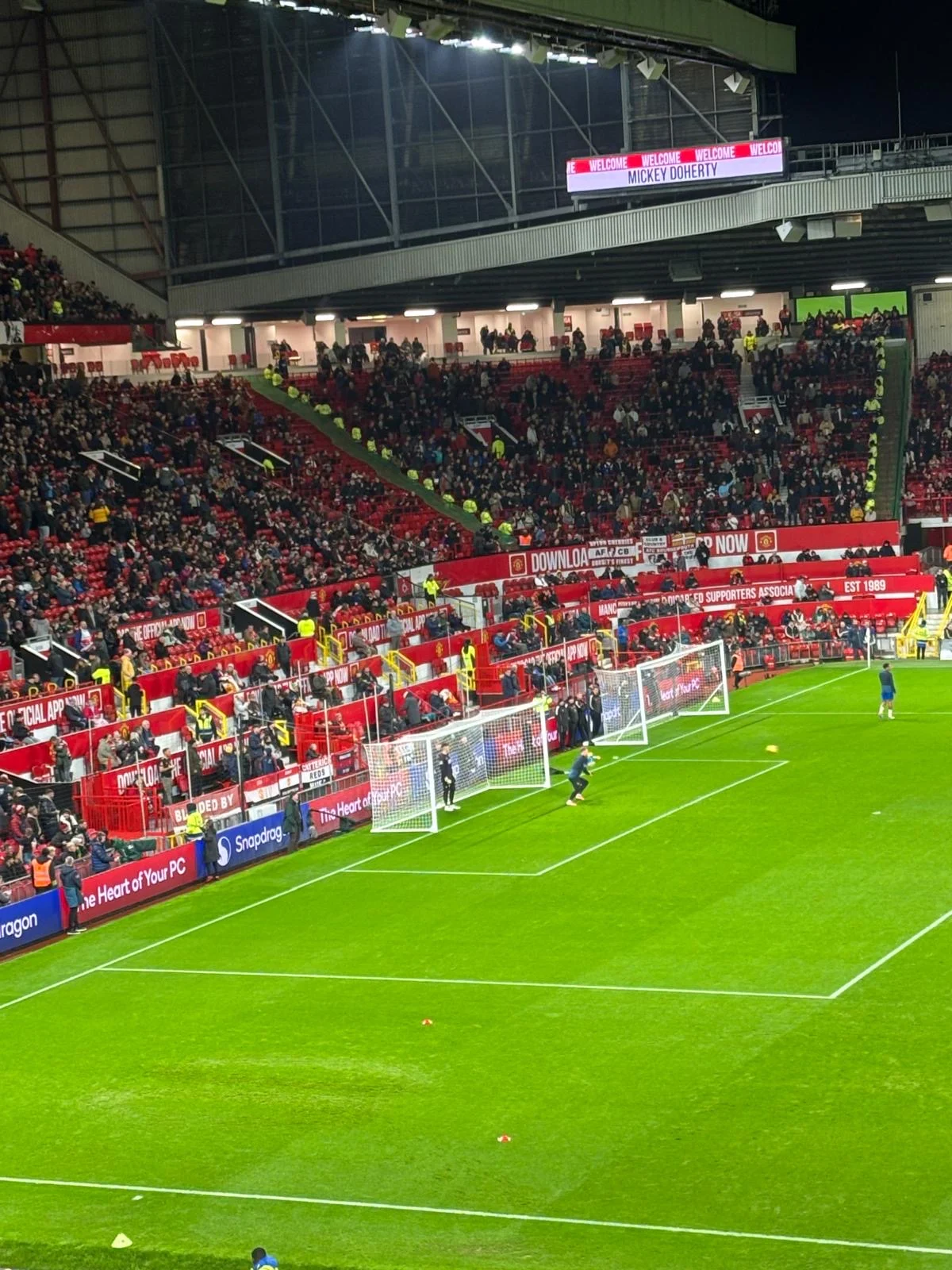
Had a Great experience visiting old Trafford with some excellent hospitality at the Manchester suite and some excellent seats within…
Had a Great experience visiting old Trafford with some excellent hospitality at the Manchester suite and some excellent seats within the stadium, I Would highly recommend and I will be definitely using this company again sometime in the future.
Read More
Manchester United 2026/27 Season Preview FAQs
Manchester United’s 2026/27 Premier League season begins on Saturday 22 August 2026, when Michael Carrick’s side travel to face newly promoted Hull City at the MKM Stadium.
Their first home fixture is against Ipswich Town on 30 August 2026.
Michael Carrick is Manchester United’s head coach for the 2026/27 season. Carrick was appointed permanently after guiding United to a third-place Premier League finish in 2025/26, securing Champions League qualification. His new contract runs until 2028.
Manchester United’s summer recruitment for the 2026/27 season currently includes Youri Tielemans and Andrey Santos, who both joined in July 2026. The club has also signed goalkeeper Karl Darlow. Transfer activity can still change before the summer transfer window closes.
The first Manchester derby of the 2026/27 Premier League season takes place at Old Trafford on Saturday 13 September 2026, with Manchester United hosting Manchester City. The return fixture at the Etihad is scheduled for 20 March 2027.
Manchester United host Liverpool at Old Trafford on Saturday 23 January 2027. The reverse fixture at Anfield is scheduled for 21 November 2026.
Manchester United host Arsenal at Old Trafford on Saturday 27 February 2027. The first meeting of the season takes place at the Emirates Stadium on 19 December 2026.
Yes. Manchester United qualified for the 2026/27 UEFA Champions League after finishing third in the 2025/26 Premier League. They therefore return to Europe’s premier club competition for the 2026/27 campaign. The Champions League league phase begins in September, with the draw taking place on 27 August 2026.
Yes. Sport & Music offers secure Manchester United hospitality and premium ticket packages for selected 2026/27 home fixtures at Old Trafford. As an official reseller of Manchester United, we provide access to hospitality packages for some of the club’s biggest fixtures, including Manchester City, Liverpool, Arsenal and Chelsea. Availability varies by fixture, so fans can enquire about available Manchester United hospitality packages for the 2026/27 season with confidence that their tickets are secure.

Subscribe to our Newsletter
Sign up here to get the latest news, updates and special offers delivered directly to your inbox.